Uta Bekaia in search of the superhuman essence within
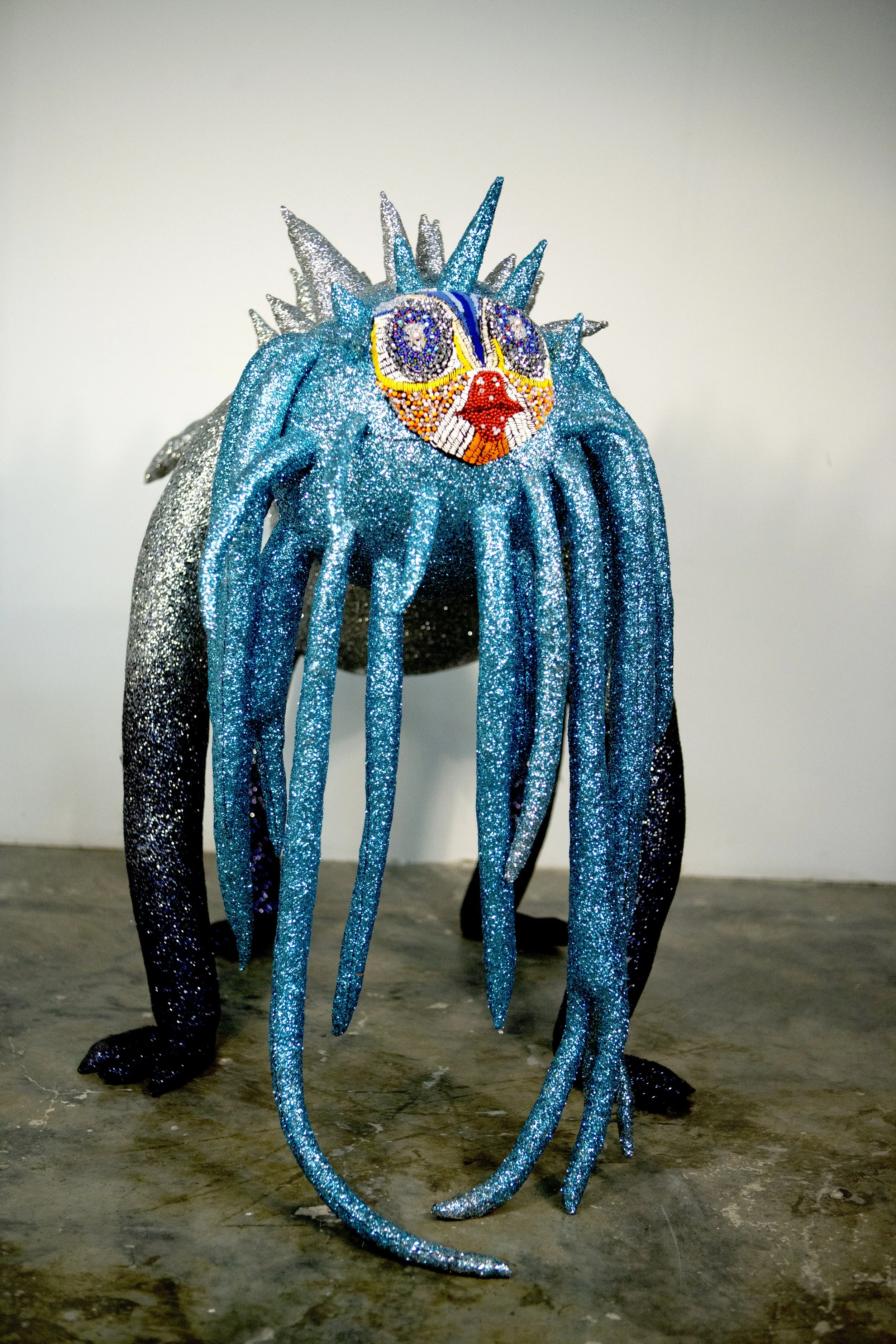
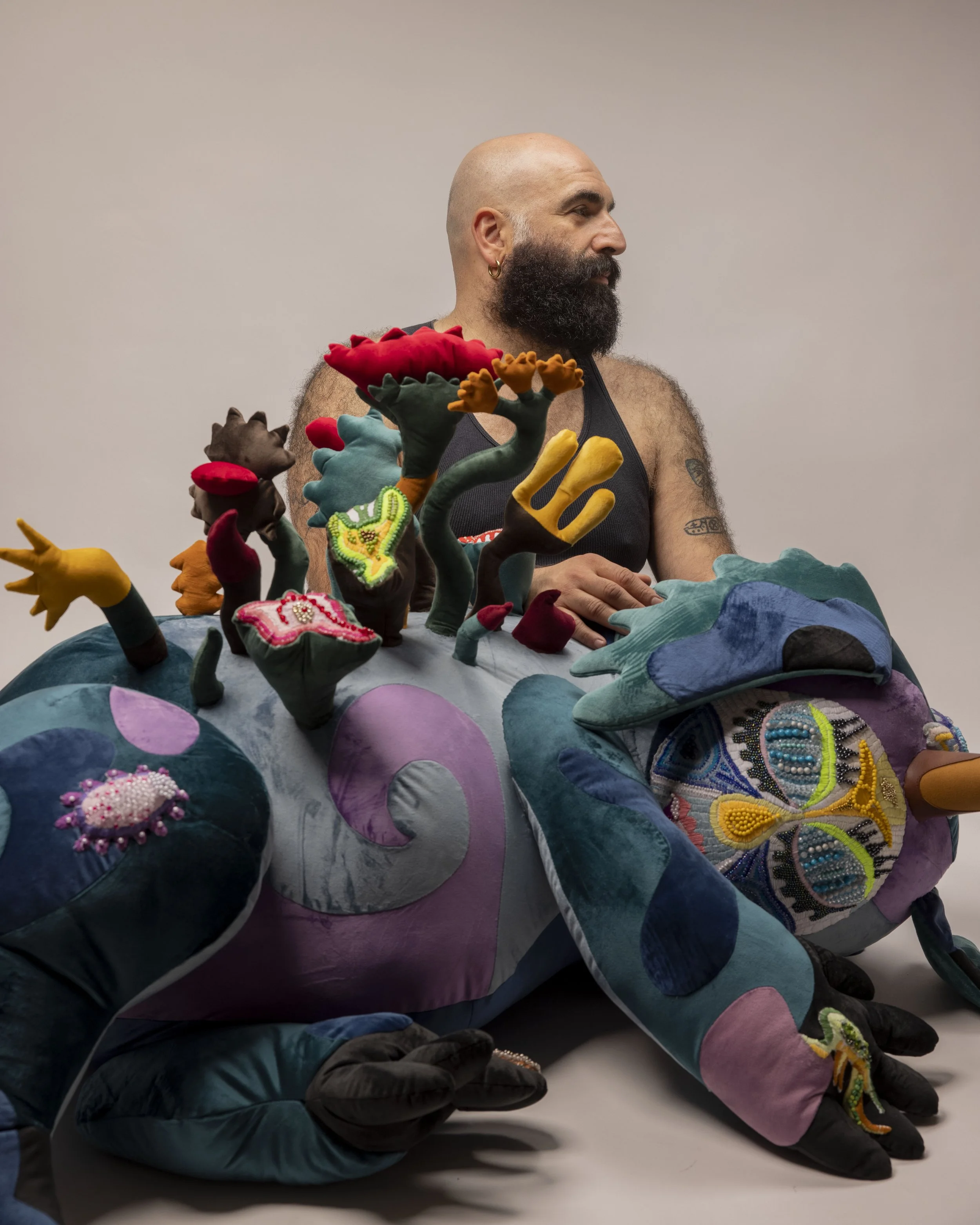
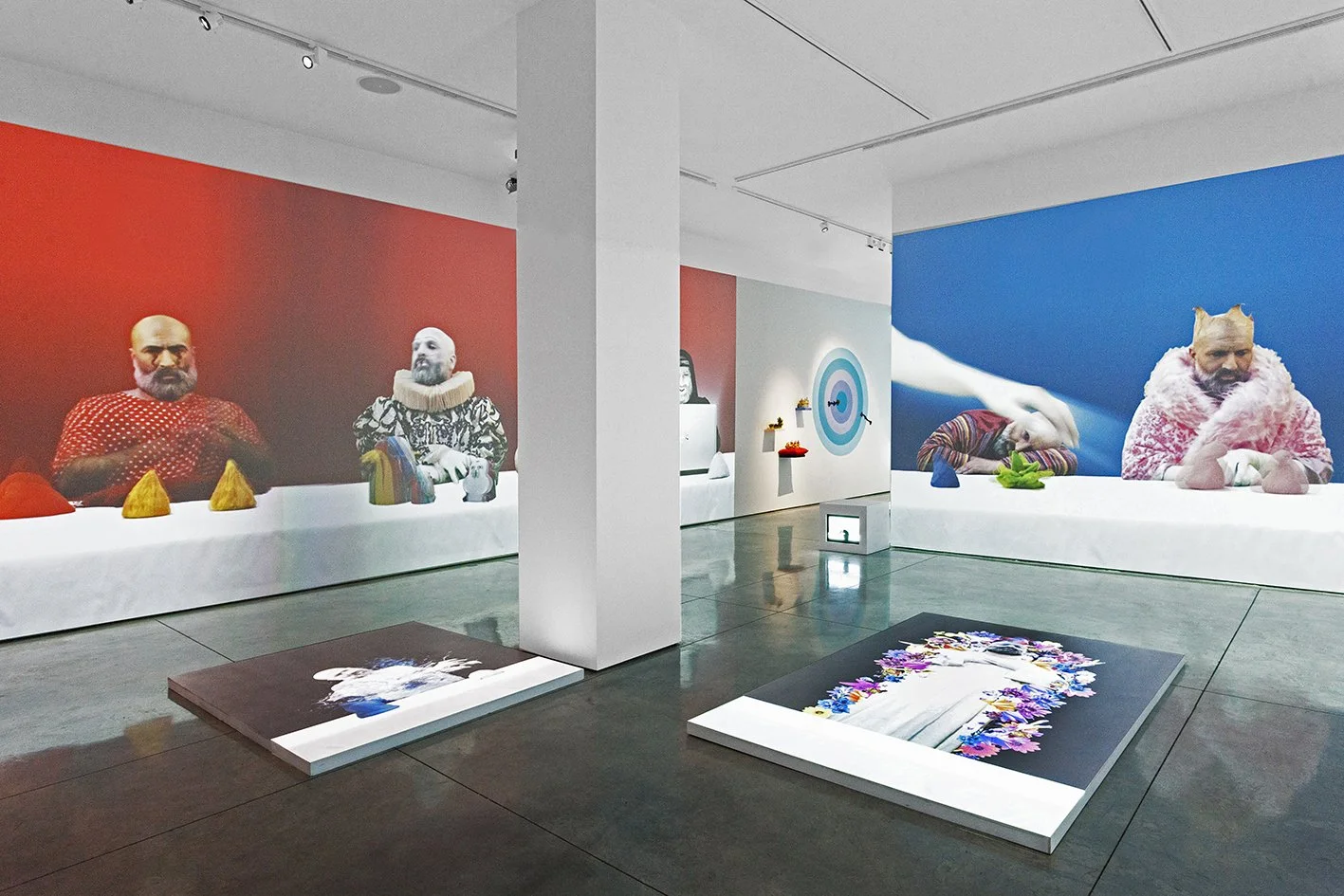
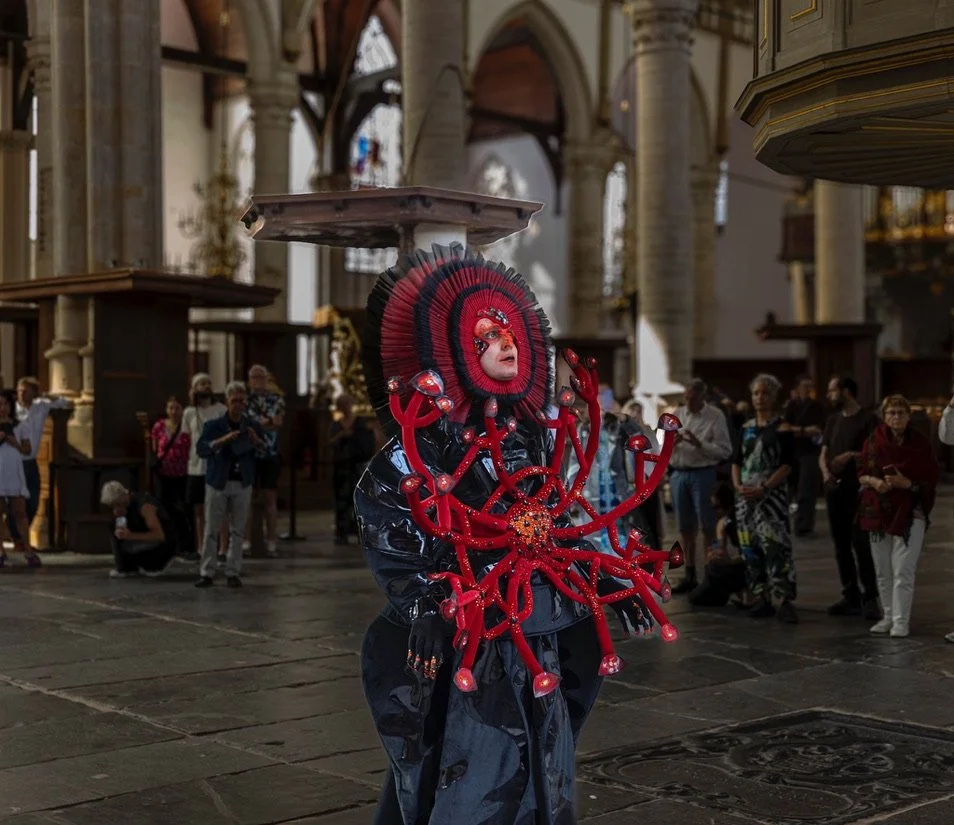
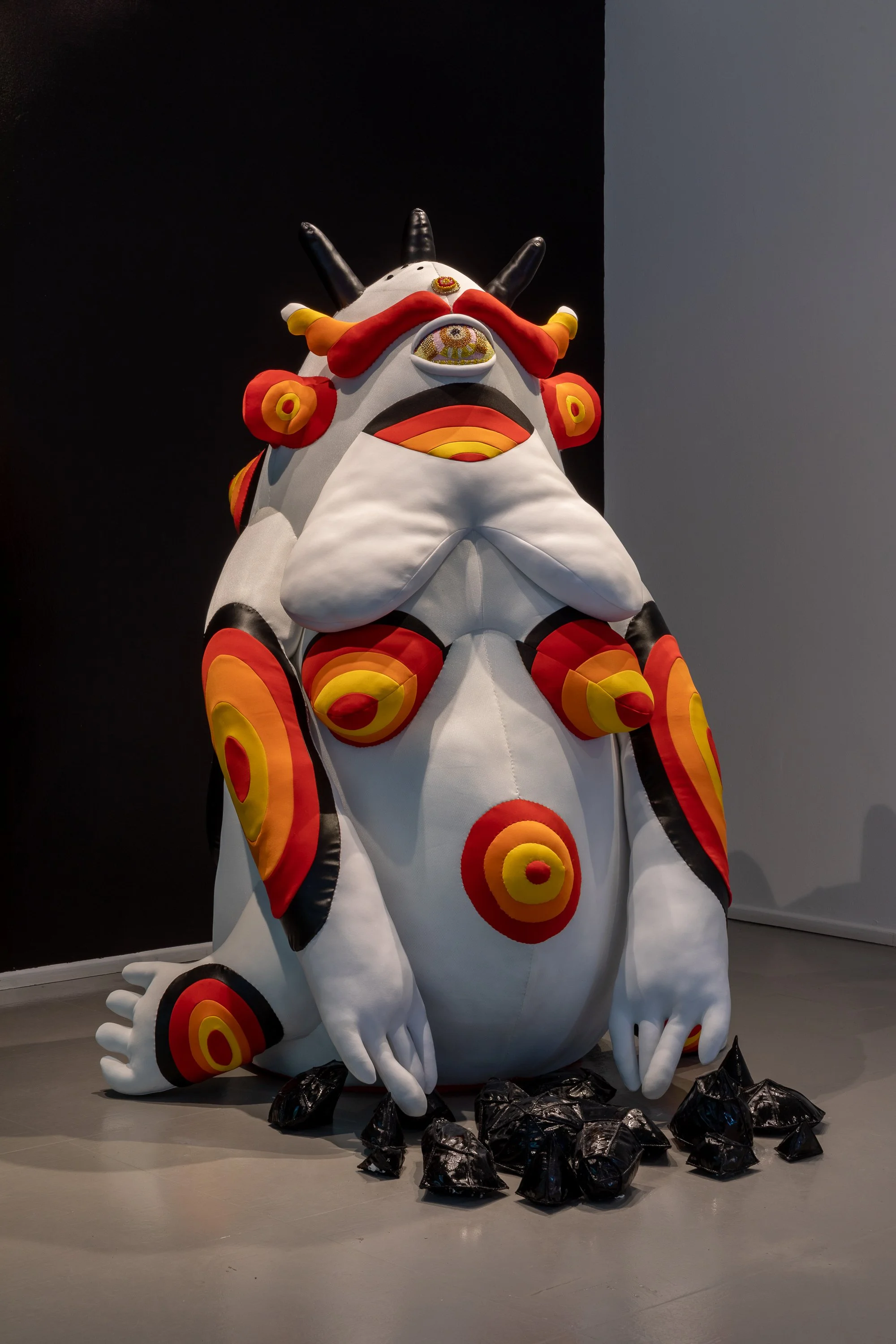
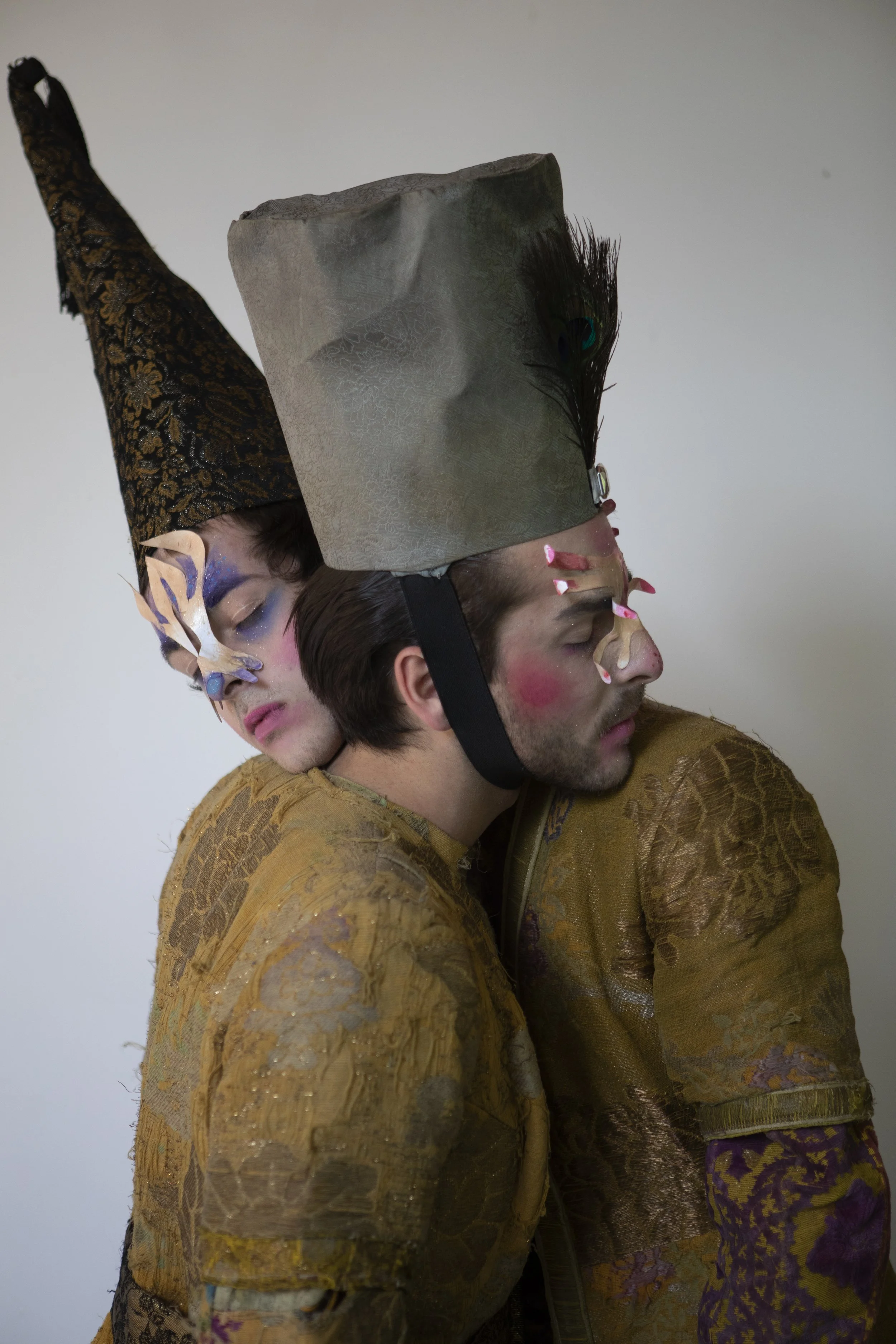
Uta Bekaia is a Georgian-born multimedia artist currently based in Brooklyn and Tbilisi. His artistic practice revolves around the speculative recreation of ancestral rituals, reimagined for a Queer utopian future. Drawing inspiration from traditional crafts, Bekaia creates elaborate wearable sculptures, ceramics, tapestries, and objects, which are assembled into immersive installations, films, and live performances.
Your work is a speculative recreation of ancestral rituals for a queer utopian future. Can you elaborate on how you blend traditional elements with contemporary themes in your art?
My practice is deeply connected to my life journey, reflecting the nuances that define who I am. I was born in Georgia, but at an early age, I moved to New York, where I spent half of my life. This relocation triggered a nodal search for identity and orientation. Over time, I realized I was free from the burdens I carried from my homeland, particularly the weight of nationalism.
As a queer person, this newfound freedom was perplexing, especially coming from a country like Georgia, where queer people were erased from history and heteronormative traditions dominated. This detachment allowed me to view my country's identity more objectively.
After living in New York for ten years, I began exploring my roots and gathering information, particularly about pagan rituals from my region. My current work envisions the future from this perspective. I take ancestral rituals and create new ones, aiming to dismantle the heteronormative ideology of history and establish a new precedent grounded in our old history. The future is queer.
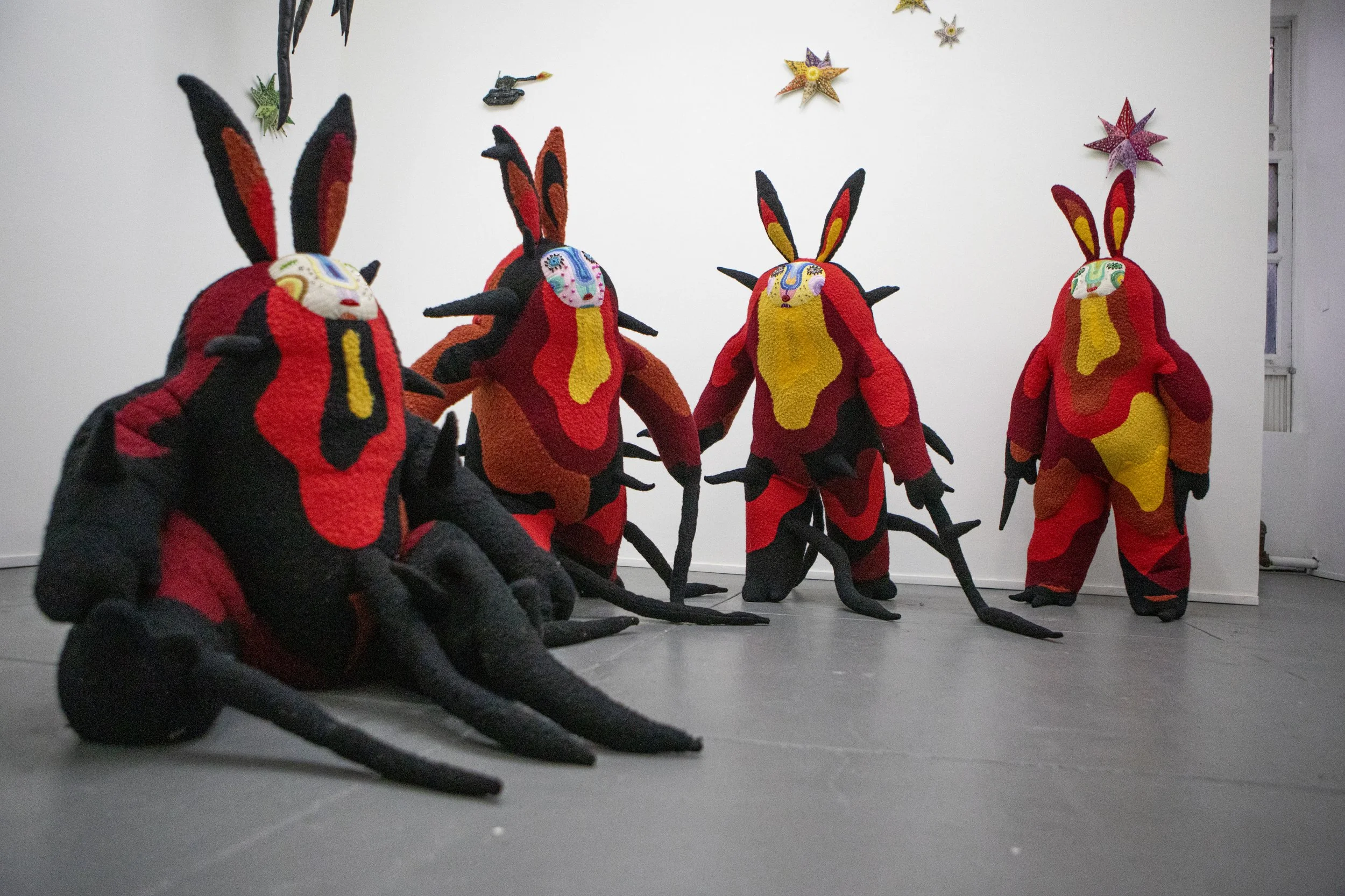
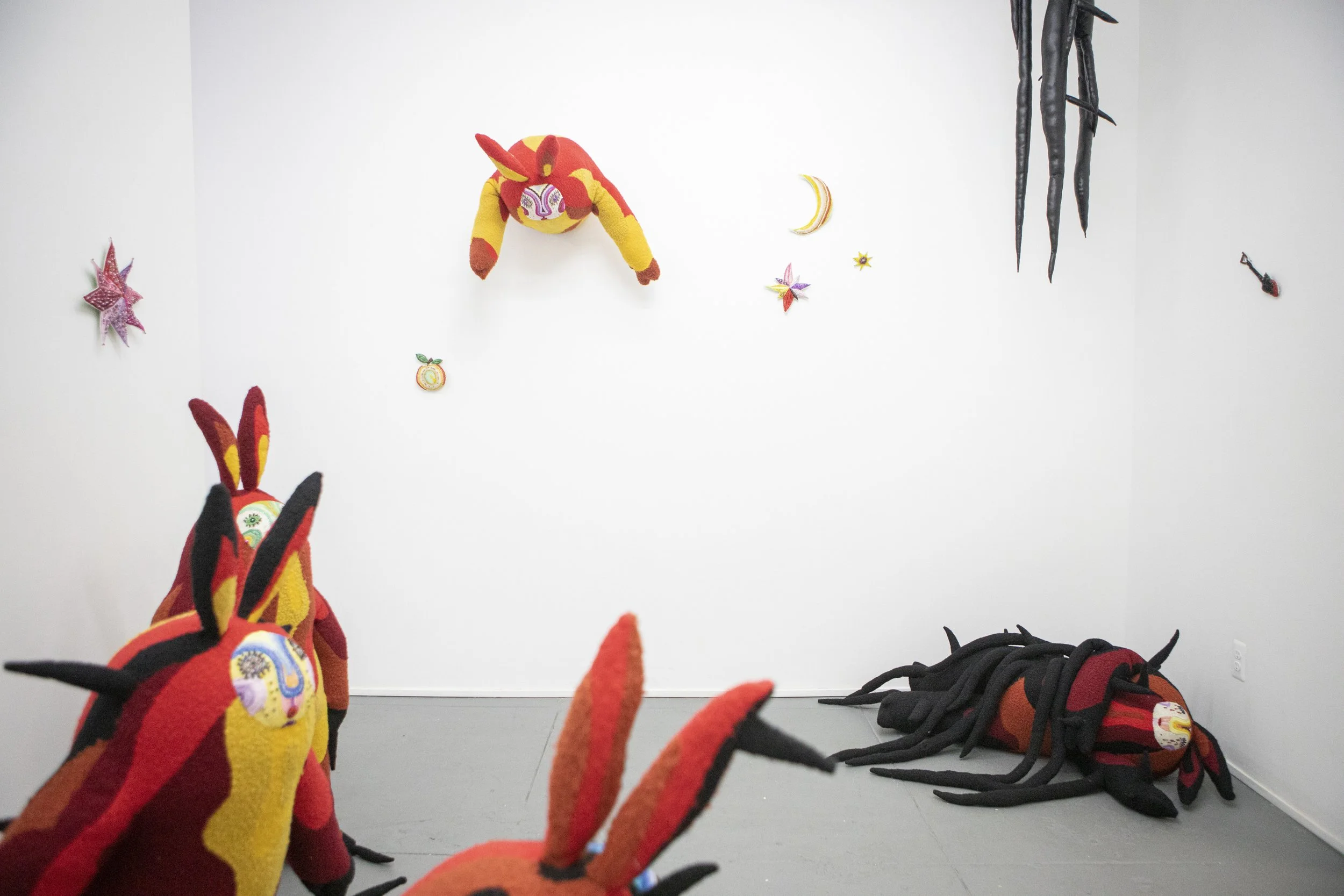
Who are some of your major artistic influences, and how have they shaped your approach to multidisciplinary art?
Much of my inspiration is rooted in my heritage and the continual quest for my identity. I am in perpetual search of the superhuman essence within me, which I believe is inscribed in my DNA. My endeavor is to manifest this alter ego into reality, transforming it into a tangible entity.
A significant portion of my visual inspiration stems from pop culture, deeply influenced by the aesthetics of animation, especially Japanese anime. My artistic vision is also profoundly shaped by an eclectic spectrum of music, the narrative power of cinema, and the interplay between folklore and contemporary visual art. Through this synthesis, I aim to bridge the ancestral and the surrealistic, creating a dialogue between past and future, and reimagining identity in a modern context.
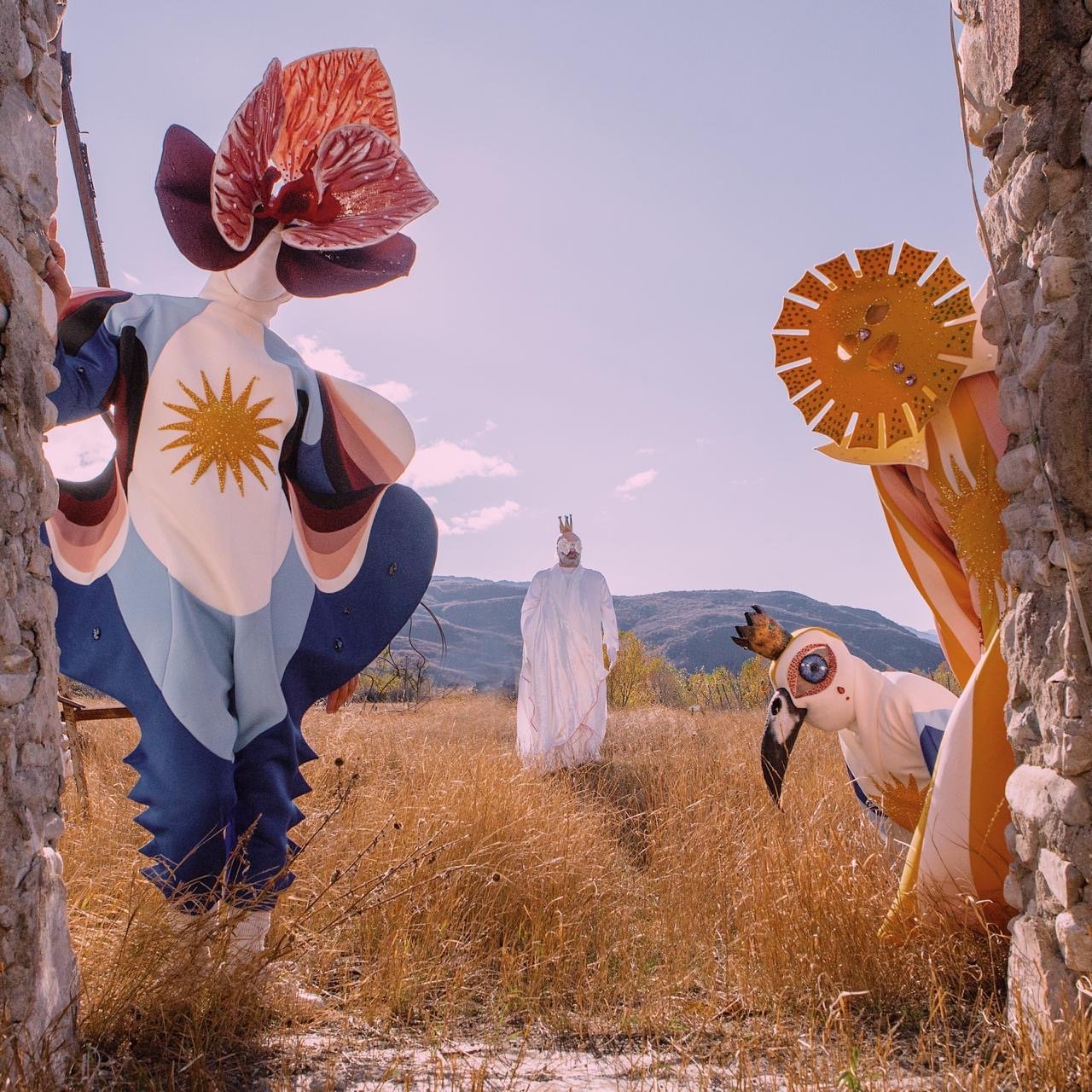
Your pieces often explore themes of identity, freedom, and utopia. What messages or emotions do you hope to convey through your art?
Through my art, I always strive to create a form of expression that speaks in a universally comprehensible language. My work is an attempt to establish a common ground where viewers can engage in a dialogue with themselves. I aim to dismantle the visual and emotional stereotypes deeply ingrained in our minds, enabling both myself and the viewer to experience the moment's reality freely, without preconceived notions. This, to me, is the essence of utopia: the endeavor to allow everyone the freedom to sculpt their individual realities with their minds.
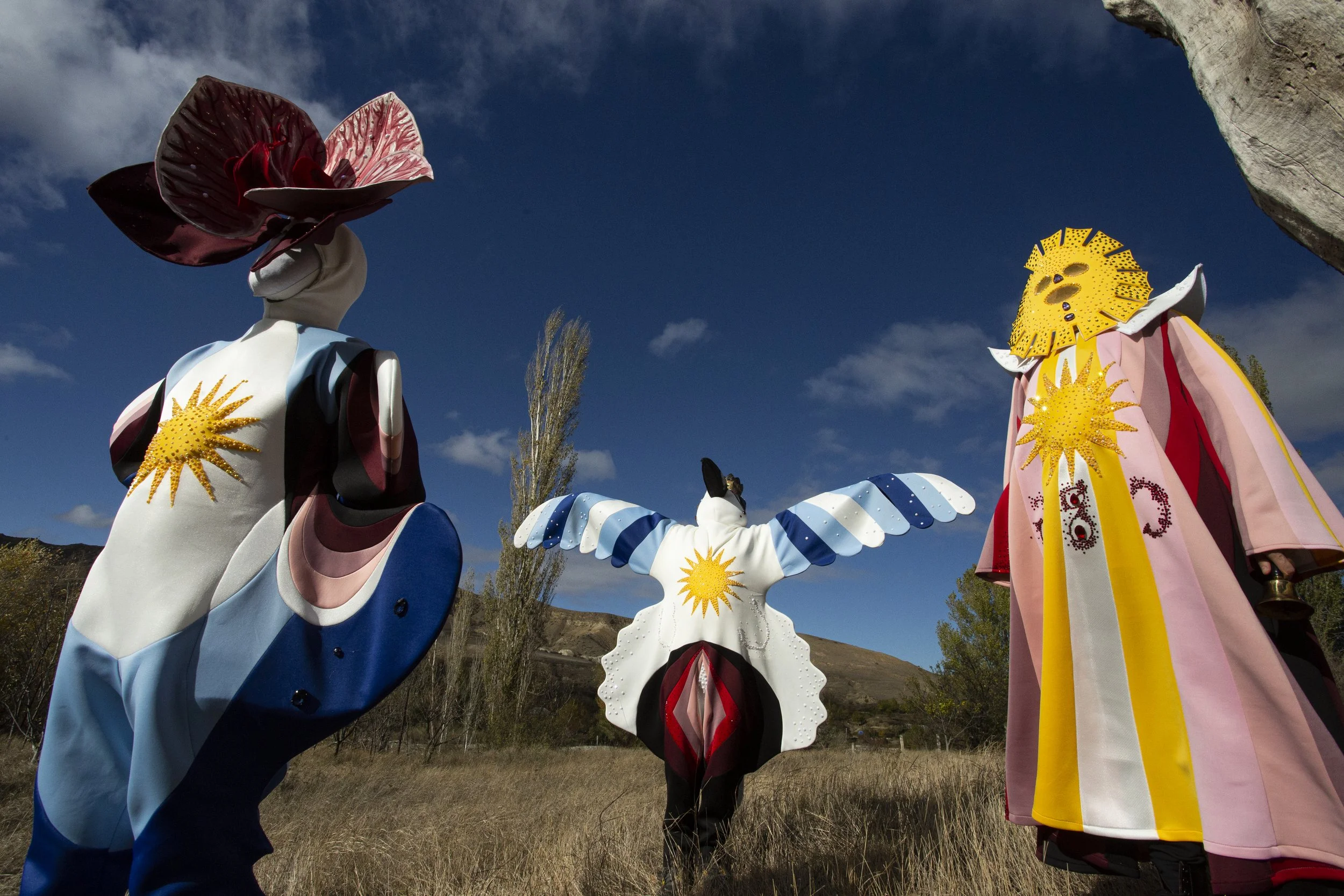
Can you walk us through your creative process? How do you decide which medium to use for a particular piece or project? Your works span various forms, from performance art to visual installations. Do you have a preferred medium, or does each serve a different purpose in your storytelling?
My creative process is deeply intertwined with my past. In my childhood, moments of fear or the need for comfort led me to construct personal sanctuaries—a safe space where I could craft a world that allowed me to freely express my queerness within an imaginative space, despite being surrounded by a homophobic environment. It is only now that I recognize my art as an extension of this practice, dedicated to the creation of fantastical worlds.
As an adult, I take on to harness various artistic mediums to facilitate journeys through secure and expressive spaces for both myself and the viewer. I think this approach not only challenges conventional perceptions but also redefines the boundaries of expression and mediums.
How do you see your work contributing to the discourse on LGBTQ+ rights and visibility, both in Georgia and globally?
My self-expression has always been intrinsically queer. After many years of living abroad, I returned to my homeland to contribute to my community in Georgia, a fragile family in dire need of support and involvement. Over the years, alongside our chosen family, we have managed to create several platforms that aid queer artists in their self-expression. Today, more than ever, the Georgian queer family urgently needs assistance. The right-wing government is attempting to suppress us and instill fear, which stems merely from a lack of information. They are pushing to introduce a law against LGBT+ "propaganda." We face a significant battle ahead.
Could you share more about some of your recent projects? What are you working on currently, and what can we look forward to seeing in the future? How do you envision the future of queer art, and what role do you see yourself playing in it?
Recently, my schedule has been demanding, and I am simultaneously engaged in multiple projects. Among the notable ones is the ongoing project "Queer Deities in Migration," which is dedicated to showcasing queer artists from the Caucasus region who were forced to leave their countries, connecting them with pagan deities from our region. Additionally, I am preparing for an upcoming solo exhibition with the Marisa Newman Project in New York. Alongside these, there are numerous other projects currently in development.
https://utabekaia.com/
https://www.instagram.com/utabekaia/