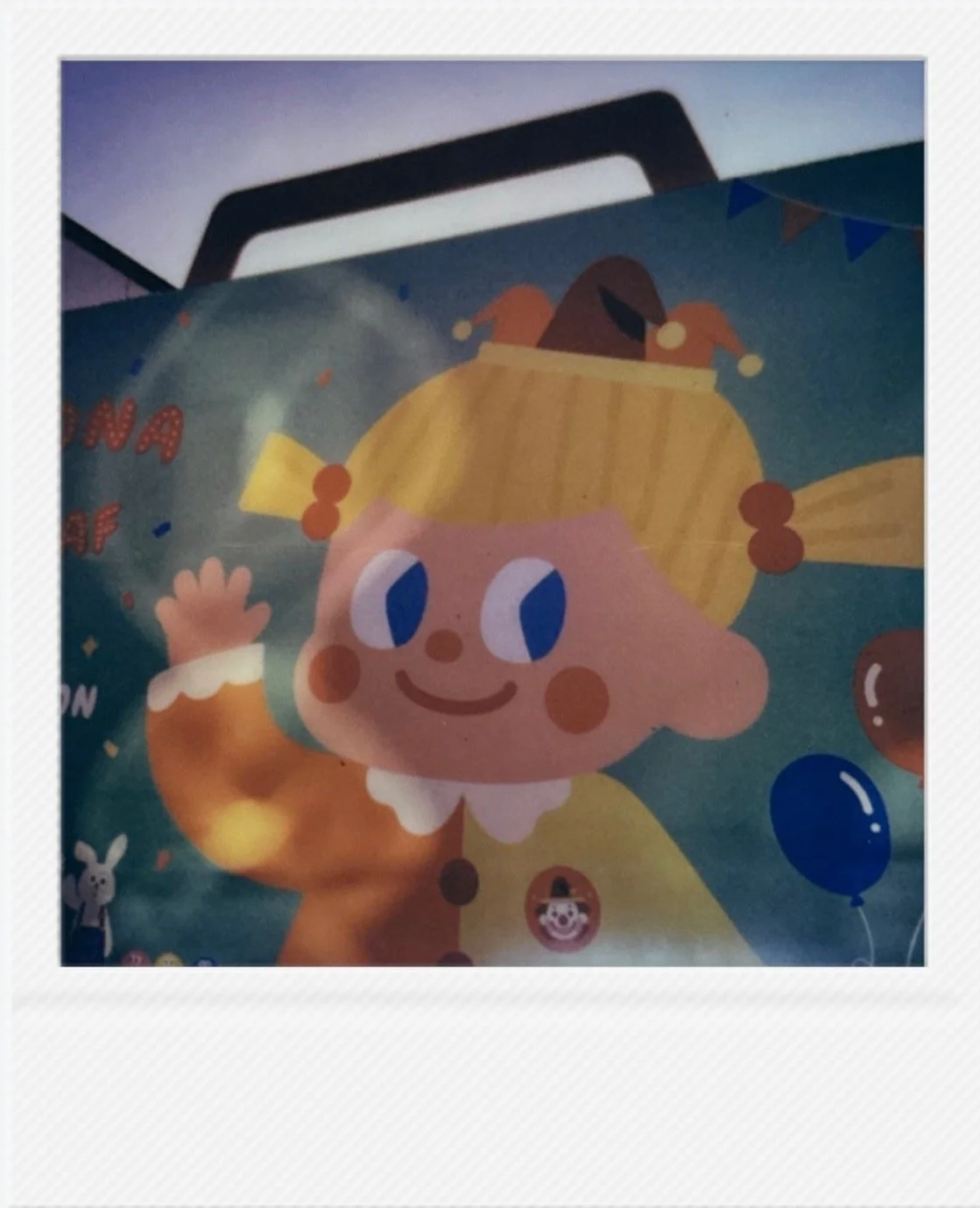
Polaroid Atelier discusses the magic of Polaroids
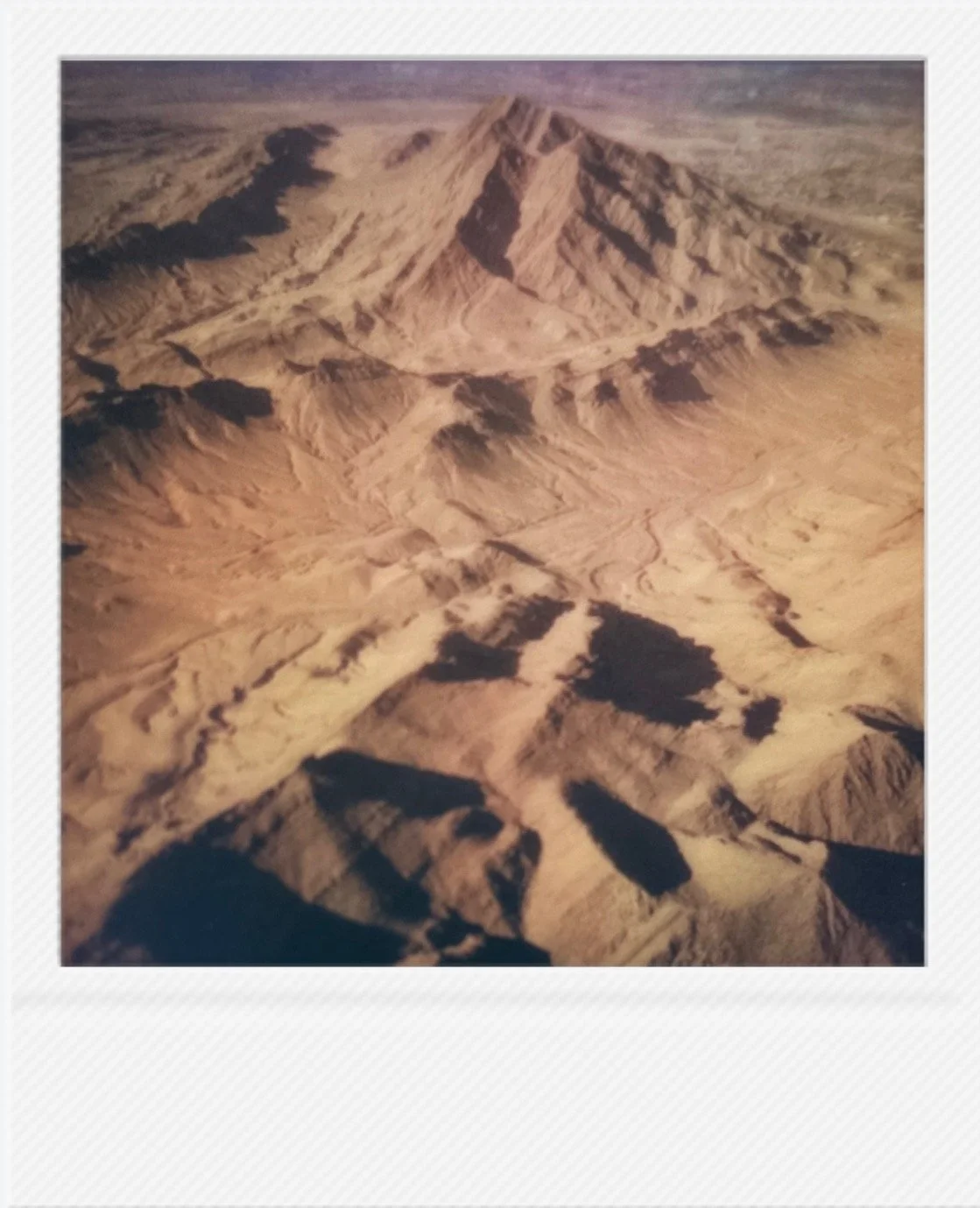
Seyoung Cho works miracles using his Polaroid photographs to create windows that allow people to pause and reflect on the emotions and stories behind moments. While his work captures imperfect moments and embraces unexpected outcomes, his Polaroid precision is incredible and worth looking into.
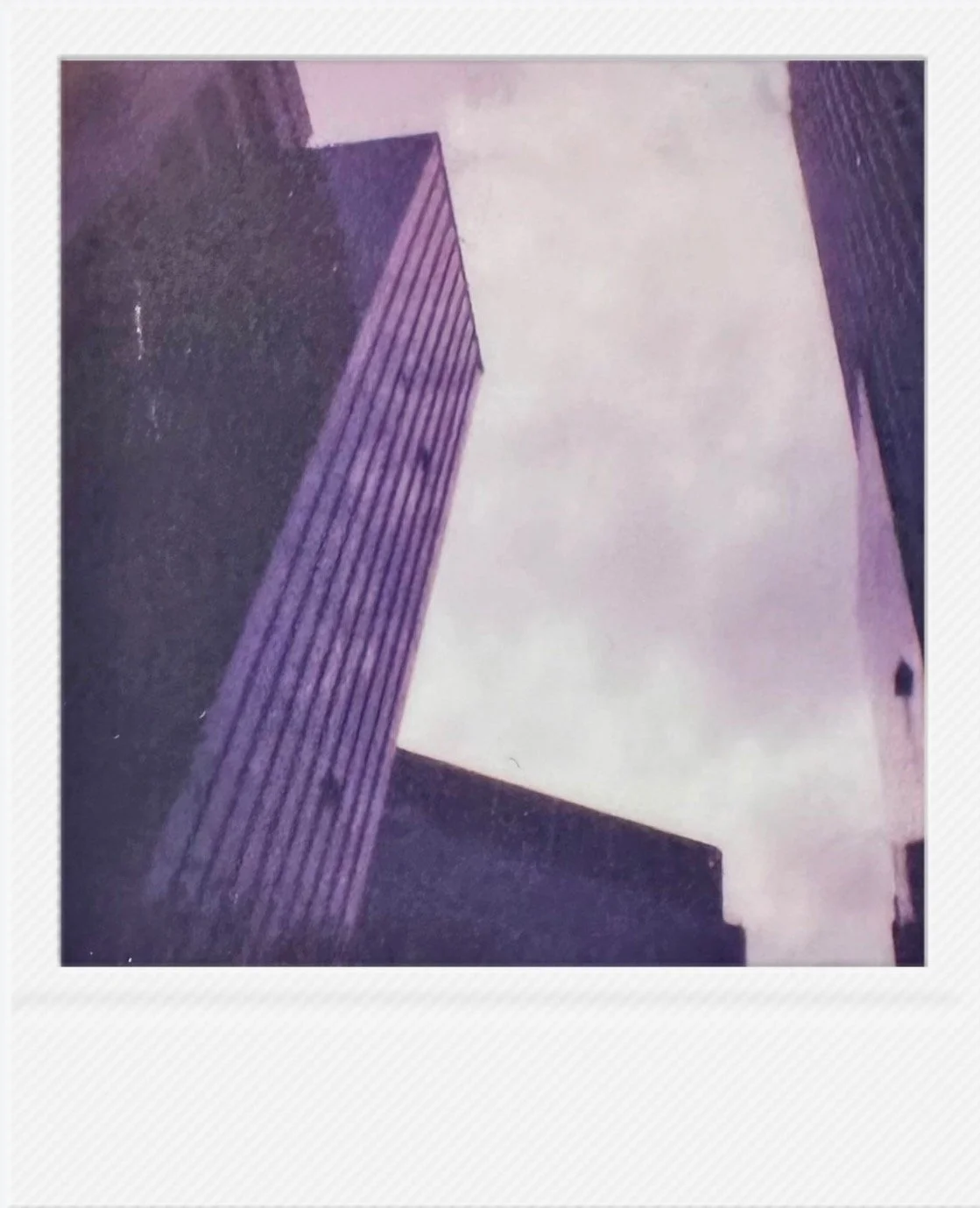
Your work captures a beautifully nostalgic mood through the medium of Polaroid. What drew you to work with Polaroid film in an era dominated by digital photography?
I have been working with Polaroid film since before the digital photography era, and it holds many unique charms.
Polaroids capture the emotion of the moment when each photo is taken and instantly deliver a tangible result through a physical process. The act of pressing the shutter and waiting for the film to develop feels almost like witnessing a small magic, bringing anticipation and excitement before the image fully forms. This slow, one-of-a-kind process is one of the main reasons I chose Polaroid.
Polaroids have limitations in terms of the number of films and exposure, which makes you think carefully before each shot. These constraints, however, stimulate creativity and allow for the element of chance to add a unique charm to the result.
Polaroid photos offer a different feel through their distinctive colors and textures. These qualities provide a nostalgic analog appeal that sets them apart from digital photography.
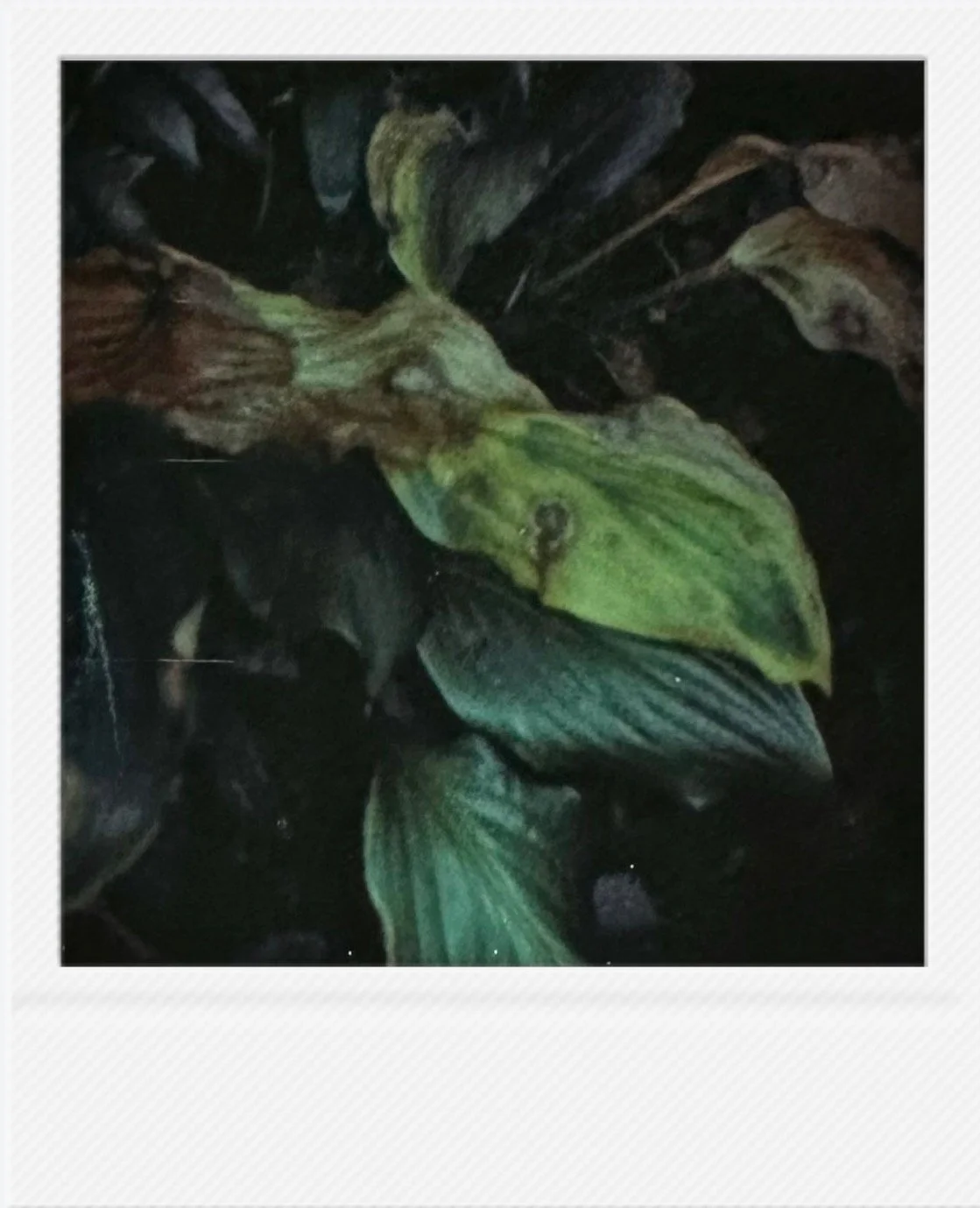
Seoul is a dynamic city with a rapidly changing landscape. How does the city influence your photography, and what stories do you aim to tell through your images?
Seoul is a city where tradition and modernity coexist harmoniously, and its unique landscape greatly influences my work. The city’s striking contrast between traditional structures like historic palaces and towering skyscrapers is one of the key elements I aim to express through my photography.
This contrast illustrates how the city’s past, present, and future are intertwined, and through it, I want to explore the complexity and multi-layered nature of the city.
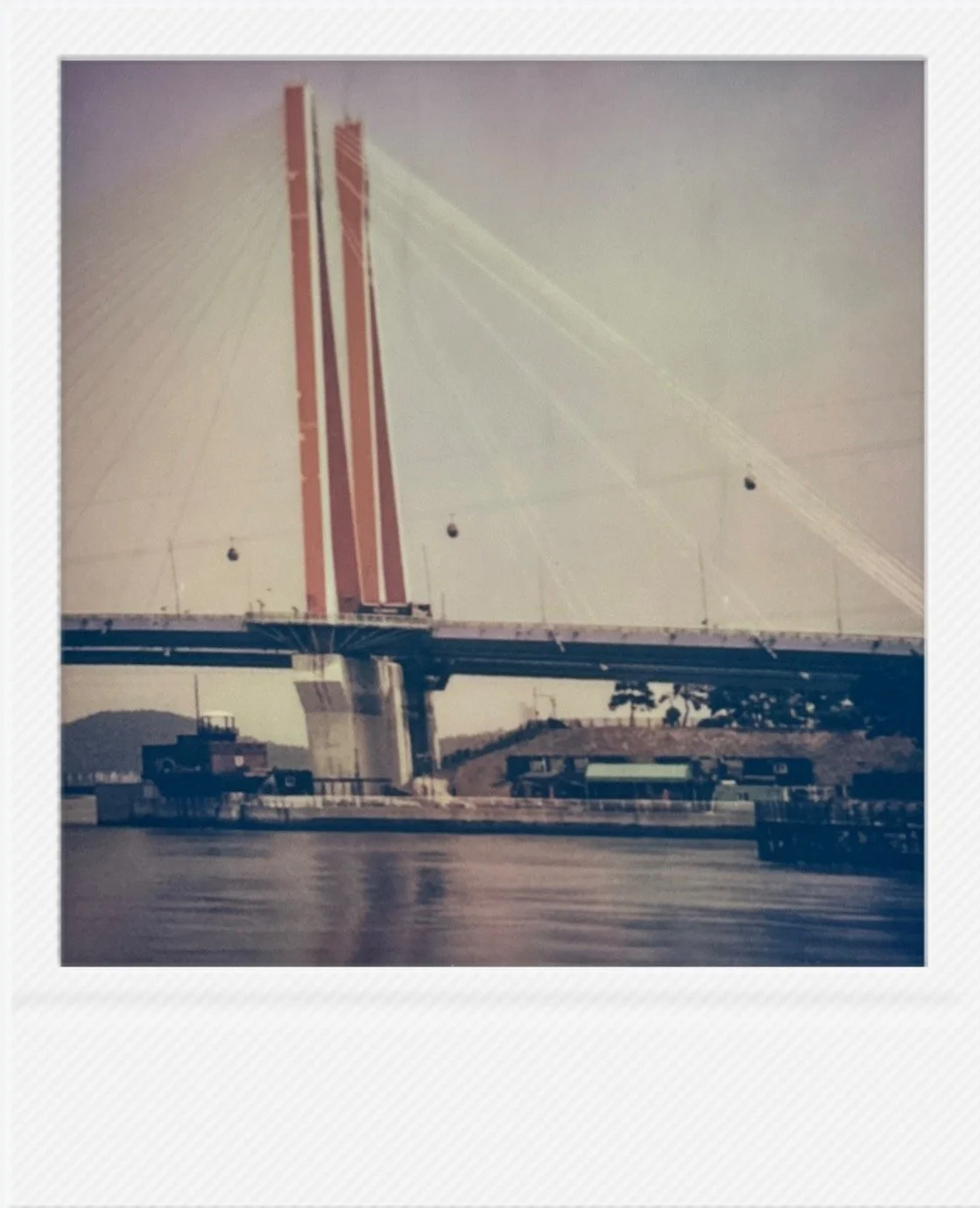
Polaroid photography offers only one shot per frame, which contrasts with the limitless possibilities of digital. How does this limitation shape your creative process?
Polaroid photography, with its inherent immediacy and limited number of frames, deeply influences my creative process. The restricted number of shots makes me carefully consider each moment, offering a unique creative tension that is not present in digital photography.
Additionally, the instant results of Polaroid photography limit the opportunities for experimentation while providing immediate feedback. This immediacy requires an open mind to capture imperfect moments and embrace unexpected outcomes. The limited frames help maintain an element of spontaneity, preserving the naturalness and authenticity that can often be lost in digital photography.
As a result, Polaroid photography makes me a more deliberate and mindful creator, encouraging me to treat each moment with care. This adds greater meaning to my work, allowing each photo to capture its own unique story.
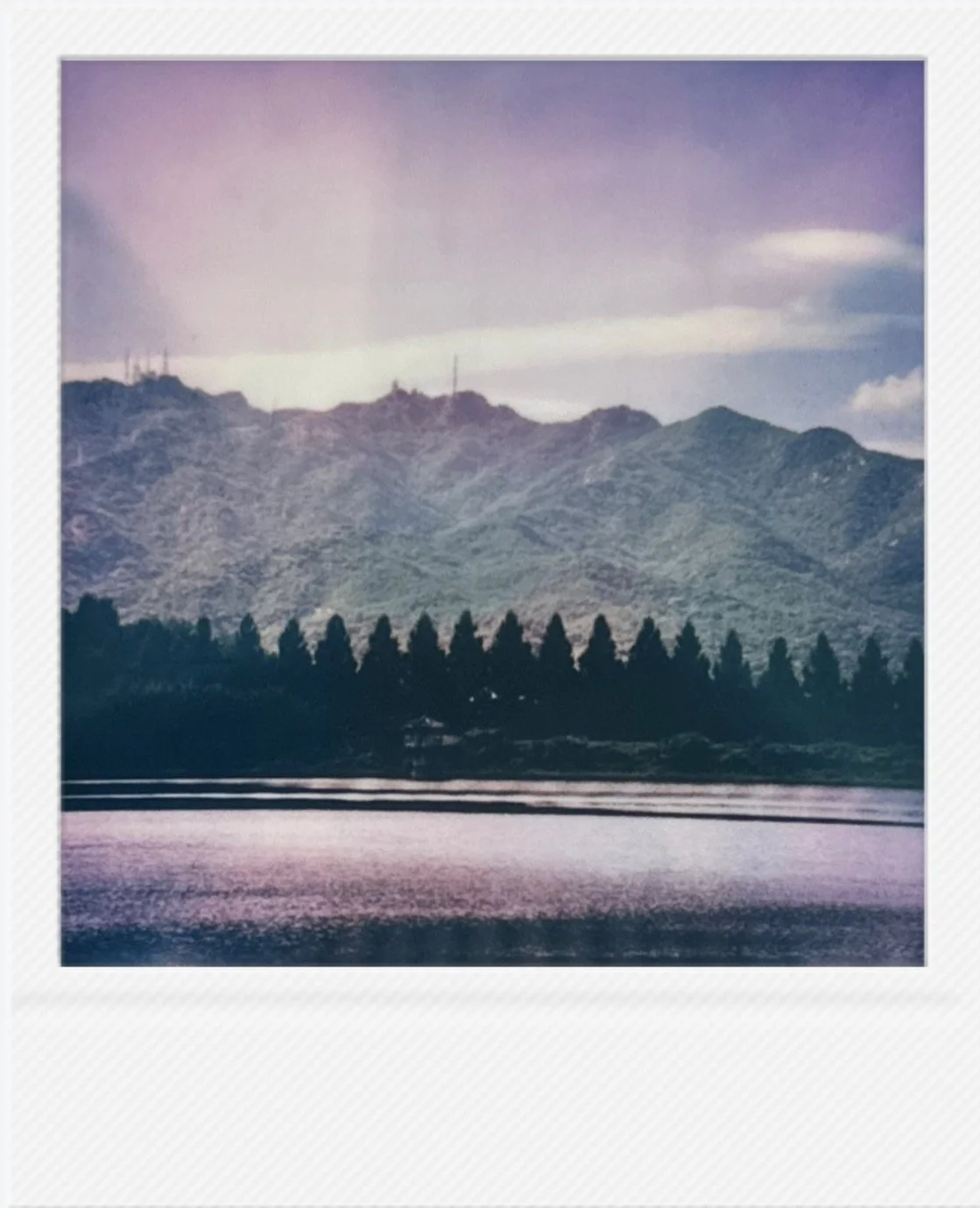
Your Instagram feed feels like a curated collection of moments frozen in time. What do you hope viewers take away from your photographs?
Through my Instagram feed, I hope that viewers can discover the beauty and meaning in moments that are often easily overlooked in everyday life. My photos are not just records, but windows that allow people to pause and deeply reflect on the emotions and stories behind each moment.
When followers look at my photos, I want them to feel the emotions or atmosphere they might sense within that captured moment.
Additionally, I hope my photos inspire followers to create their own stories. I want the scenes in my images to evoke personal memories or emotions, offering space for them to add their own interpretations and narratives.
Ultimately, I want viewers to pause when they see my photos, feel the beauty and emotion of that moment, and realize how precious small moments in life truly are. I hope this experience encourages them to appreciate and cherish more moments in their own lives.
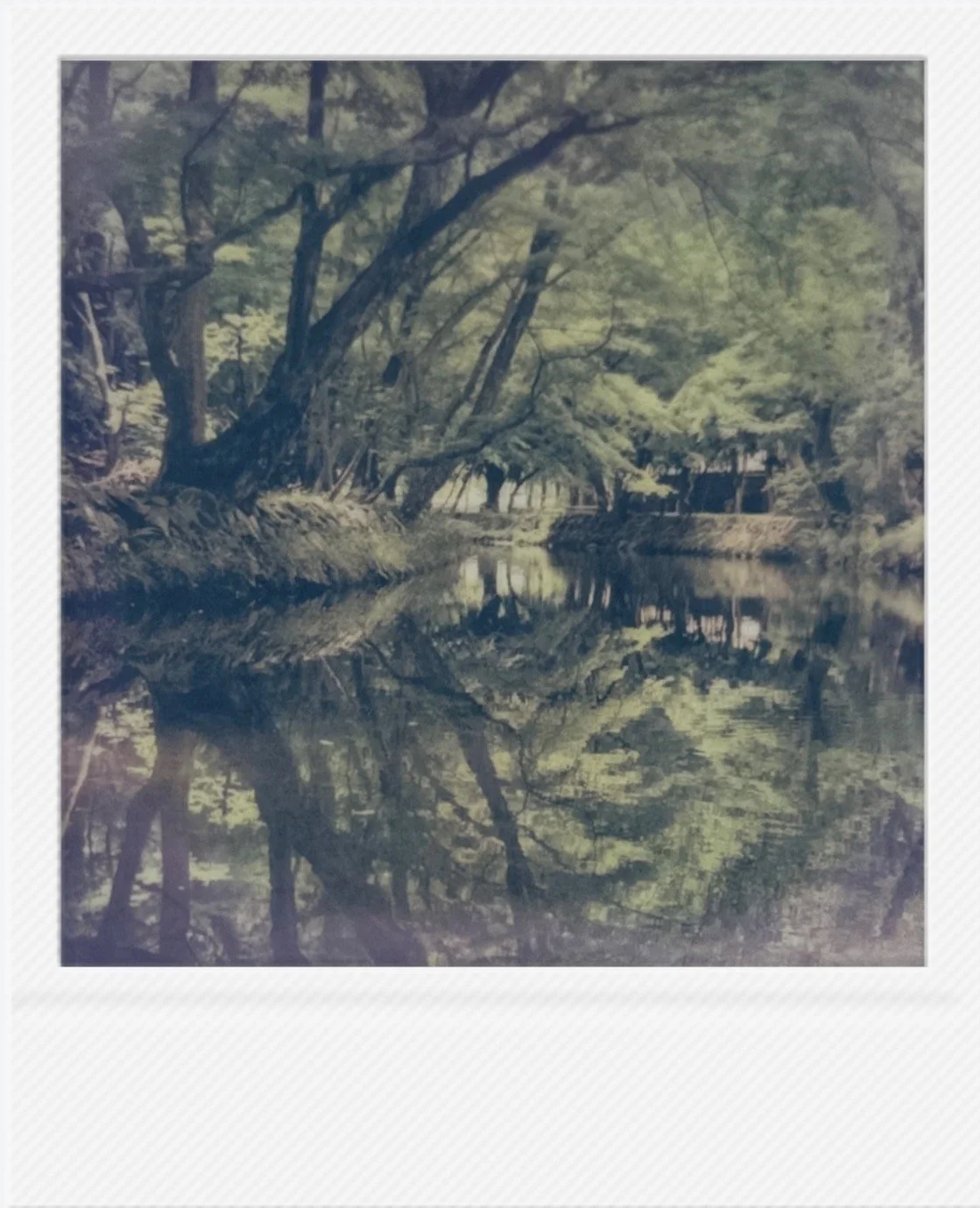
What advice would you give to someone who is just starting out with Polaroid photography? Are there any tips or techniques you’ve found particularly useful in your own work?
Polaroids offer only one shot per frame, so take time to carefully consider what scene or emotion you want to capture before shooting. Polaroids don’t forgive mistakes, but even those mistakes can be embraced as part of the artwork. This limitation is one of the charms of Polaroids, so give your best effort for each shot.
Polaroid film, especially in natural light, tends to produce beautiful results. Try to use natural light as much as possible, and if shooting in a very dark environment, consider adding additional lighting. Polaroids are sensitive to exposure, so paying attention to the direction and intensity of light is crucial.
Polaroid photos might not be perfect, unlike digital ones. In fact, this imperfection is part of the Polaroid’s charm. Sometimes, unexpected colors or light effects can add a unique atmosphere to the picture. Don’t be afraid of making mistakes and feel free to take an experimental approach.
Polaroid film can change color over time, and the results may vary depending on temperature. Be patient and wait until the film fully develops. Especially in cold weather, it's a good idea to keep the film warm after taking a shot.
Polaroid film is limited and can be costly, unlike digital photography, so carefully consider each shot. However, don’t be overly cautious. Maintain a creative and experimental approach while understanding the value of the film, and cherish the moment you’re capturing.
These tips and advice should be helpful for anyone just starting out with Polaroid photography. Above all, enjoy the process, appreciate the joy of taking Polaroid pictures, and have fun discovering your own style.