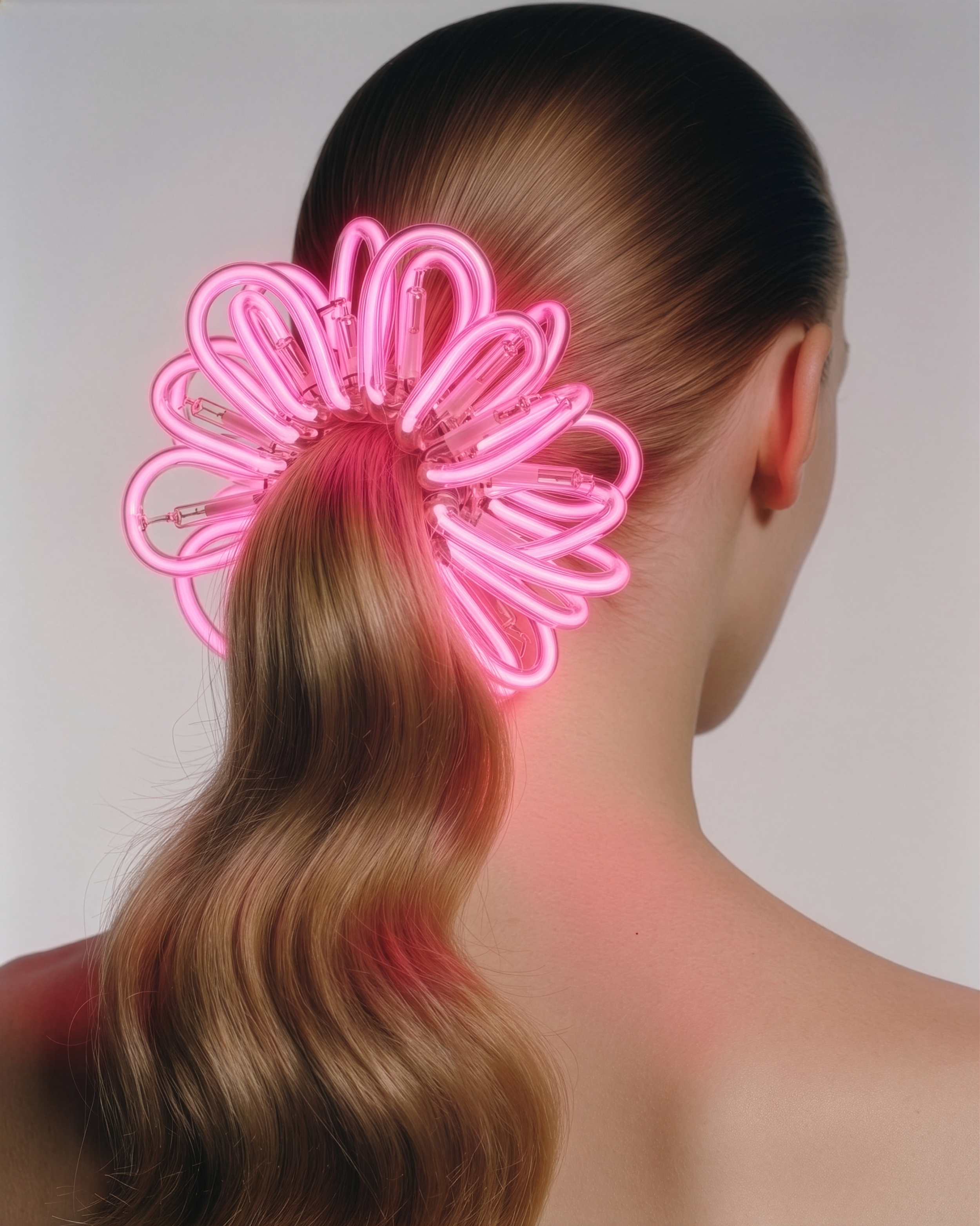
Laura Dunkelmann is redesigning Beauty
Beauty is never neutral. It is shaped by personal instinct, cultural training, technology, and the quiet pressure to resemble what already exists. After almost two decades in creative and editorial direction, Laura Dunkelmann approaches image-making as a way of proposing possibilities rather than pursuing perfection. Working across photography, concepts, and AI-generated imagery, she uses new tools to move beyond practical limitations and familiar visual references. We discussed authenticity, artificial beauty, the edited human face, copy culture, and why beauty should remain a form of freedom rather than a system of rules.
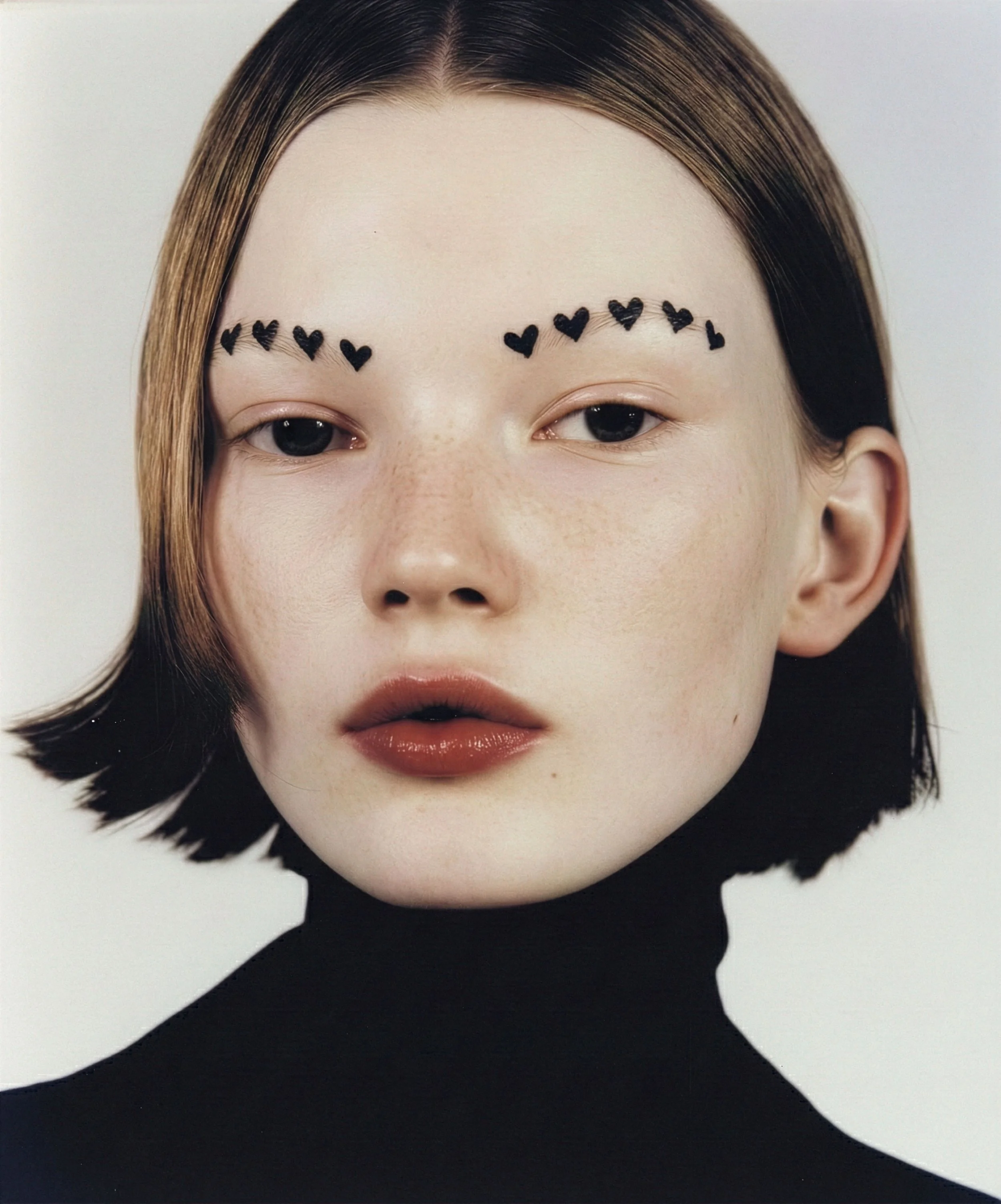
Your work rarely treats beauty as something fixed, it feels more like a prototype or a concept. Do you think beauty is becoming something we design?
Beauty is always a feeling and therefore very personal, design can support this feeling, but what one finds beautiful is always attached to their personal perspective and maybe even aesthetic training (or the lack of it). I am of course aiming for beauty, but I know that what I feel being “beautiful” can only connect to those having a similar understanding. I like to propose ideas, direction, and inspiration. My goal isn’t “perfection”.
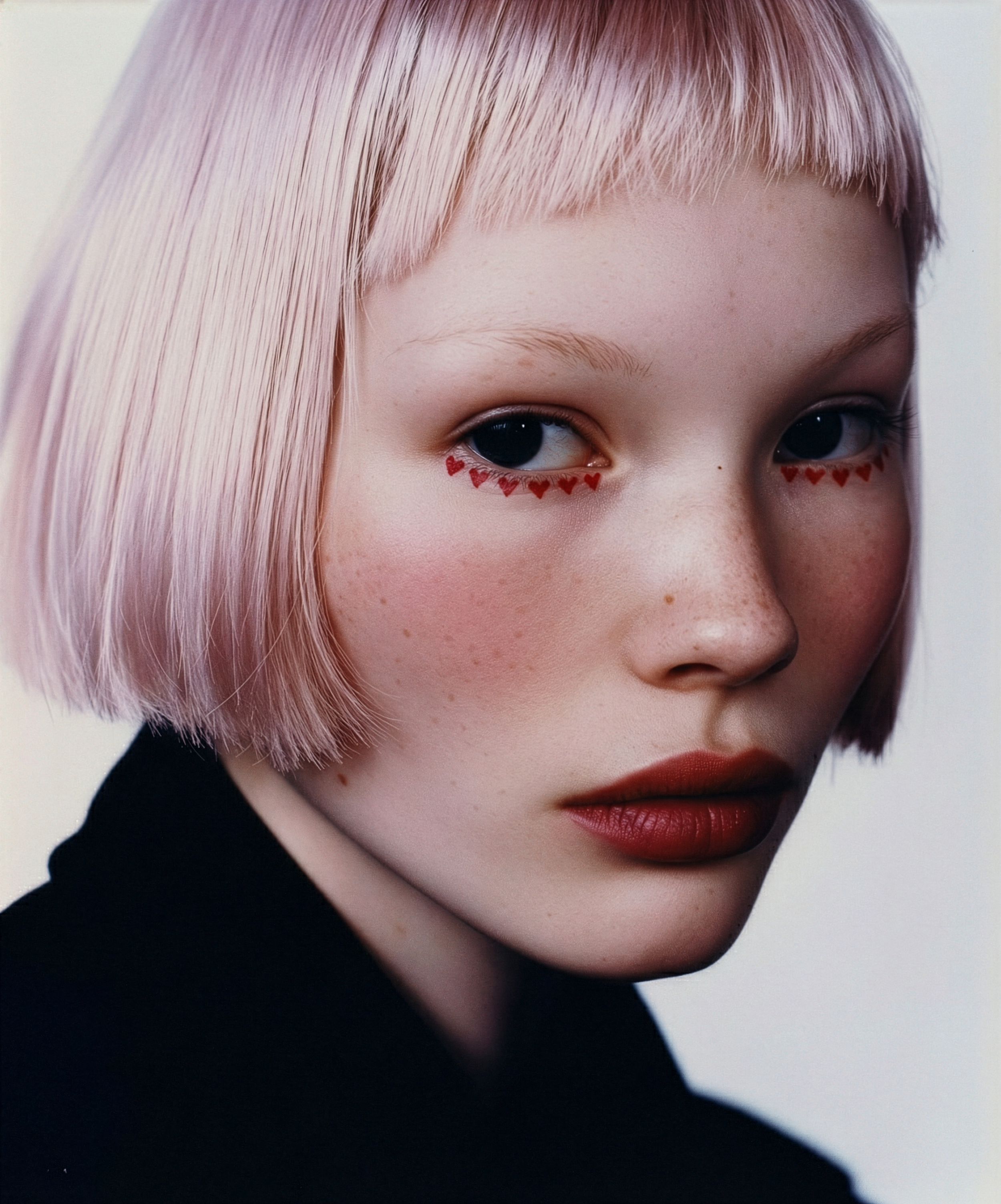
Beauty trends disappear faster than ever. What do you think remains timeless despite that constant acceleration?
Unapologetic authenticity ages well. Everything created without a (maybe commercial) compromise has the power to become timeless, if met with expertise, creativity, ideally freedom.
You work at a moment when AI is changing not only how images are made, but how ideas are generated. Has AI changed your imagination, or simply your workflow?
AI has given me the possibility to express my ideas with less restriction. Budget, politics, boundaries - it all doesn’t matter anymore so much. I can focus on the idea, my feeling, I can experiment without a risk. I also use AI for my concepts to prepare “real” shoots, same thing here: I can express my ideas without the generic pinterest examples. AI created images can be much more unique than everything existing, that’s why I started it. I was sick of copying what has been done already, I wanted to do new things - as much as possible. I’ve been working in creative and editorial direction for almost 20 years - my workflow is not that much different, I start with an idea, or a brief if its commercial work, I define the idea, the story, the setup, the style and create - either with AI or with a team.
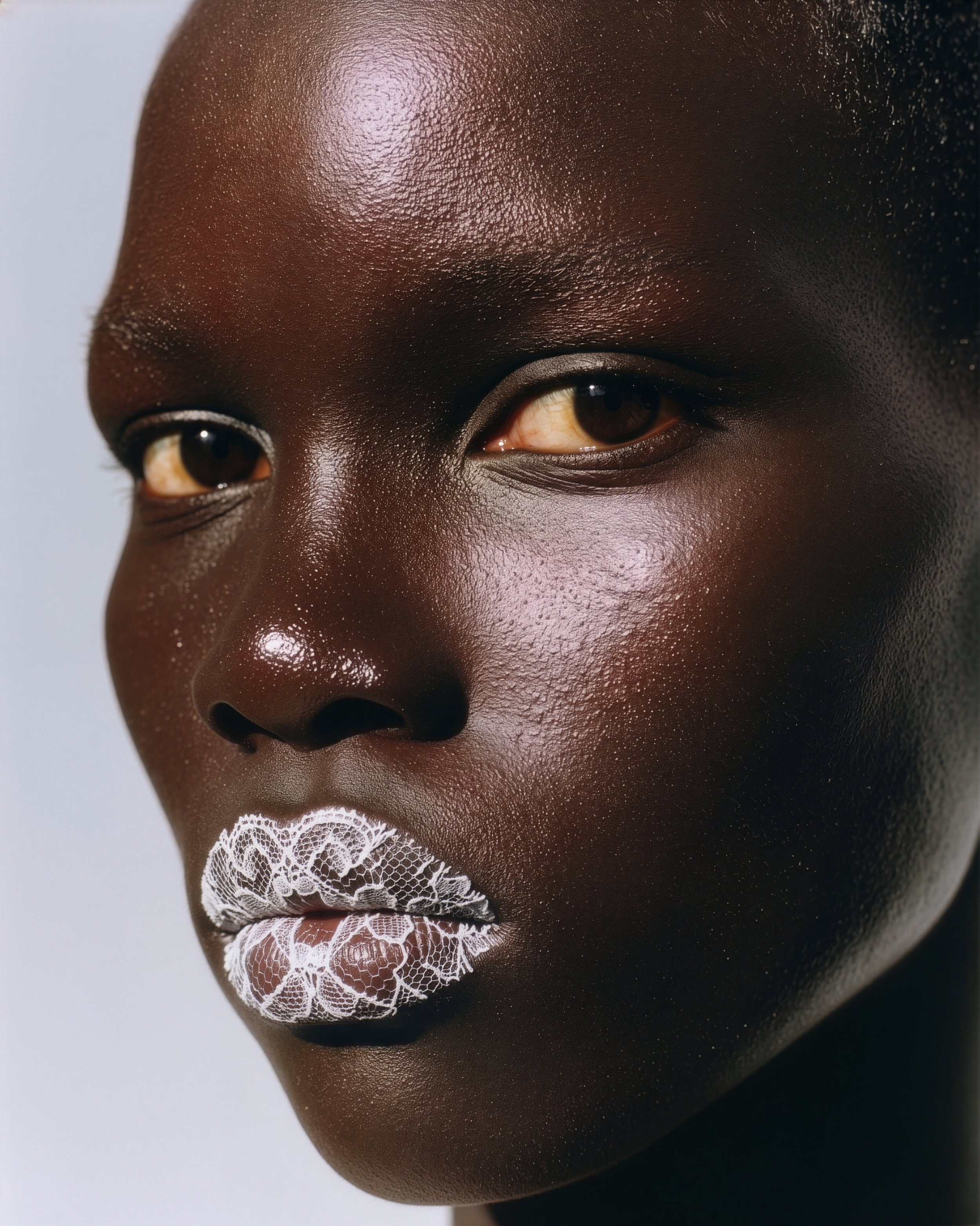
Do you think we’ll eventually stop distinguishing between AI beauty and traditional beauty altogether?
Long term yes - AI is relatively new, and unfortunately used in many bad ways. From my experience, it is already the case that if an image is “beautiful”, people don’t question or criticize so much if its AI or not. You also wouldn’t ask about how a studio is sourcing electricity, how many people have flown in to create a photo, who’s the studio owner or how long the retouch took to make the photo look “real”. I think AI becomes a problem when it’s used to trick people, when it’s lazy or a scam and that’s why people feel the need to point out.
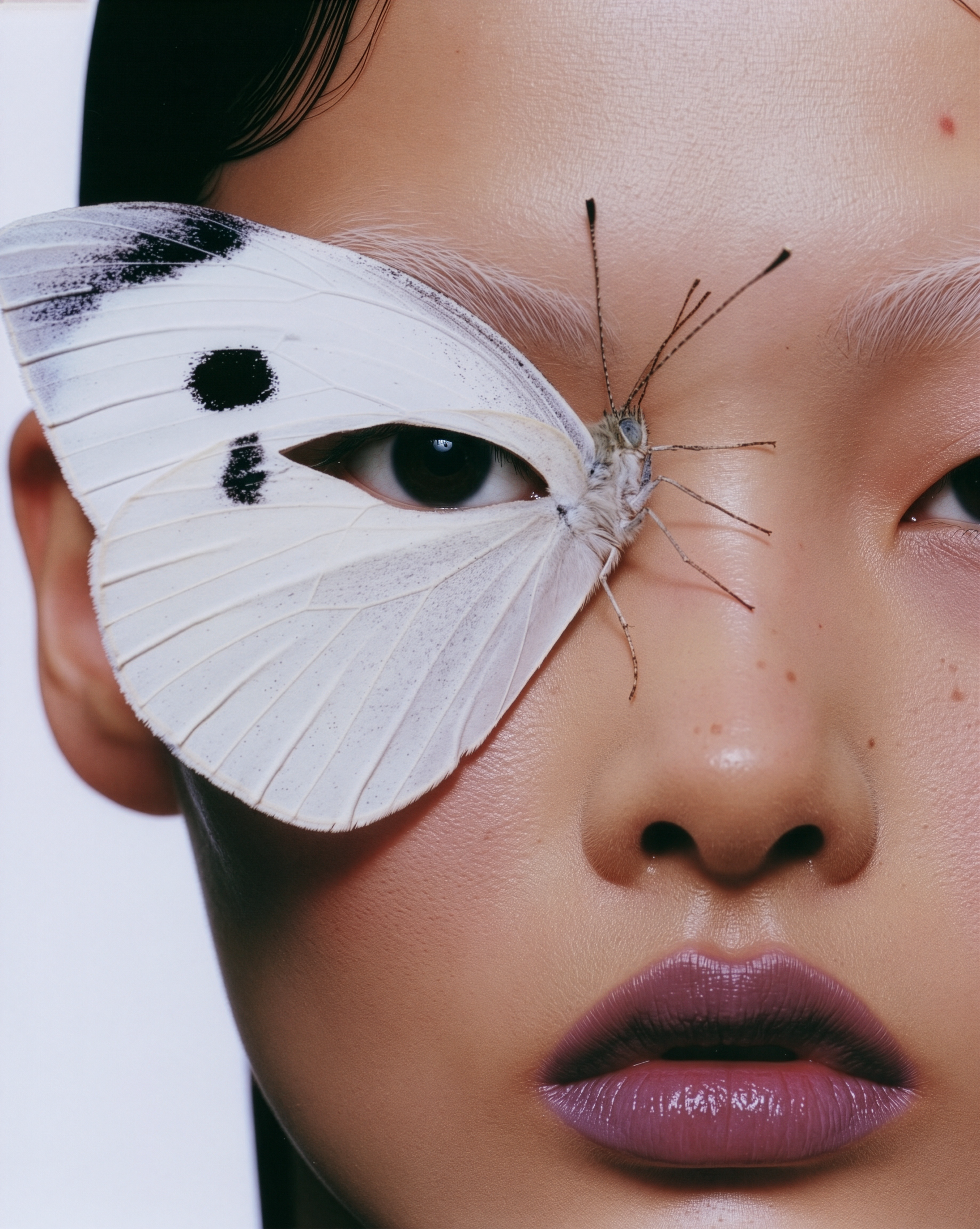
The human face has become one of the most edited surfaces in contemporary culture. Does that make it a more interesting canvas or a more difficult one?
It’s the most interesting one, because it’s so individual, changing, evolving, emotional. There’s a story itself in every face, an expression you can’t overwrite. A persona note.
Every technological leap changes our visual language. What visual habits do you think this AI era will leave behind?
There’s the misconception that AI looks “fake” - it only does if the person using it directs it towards fake. In fact, AI generated images can look more realistic than photos. In general, because of AI and this common misunderstanding, there’s a longing for an unfiltered reality, but only aesthetically. The bigger impact of this era is the way how we look at images and maybe question if they are real or not before we even decide if we like it or not.
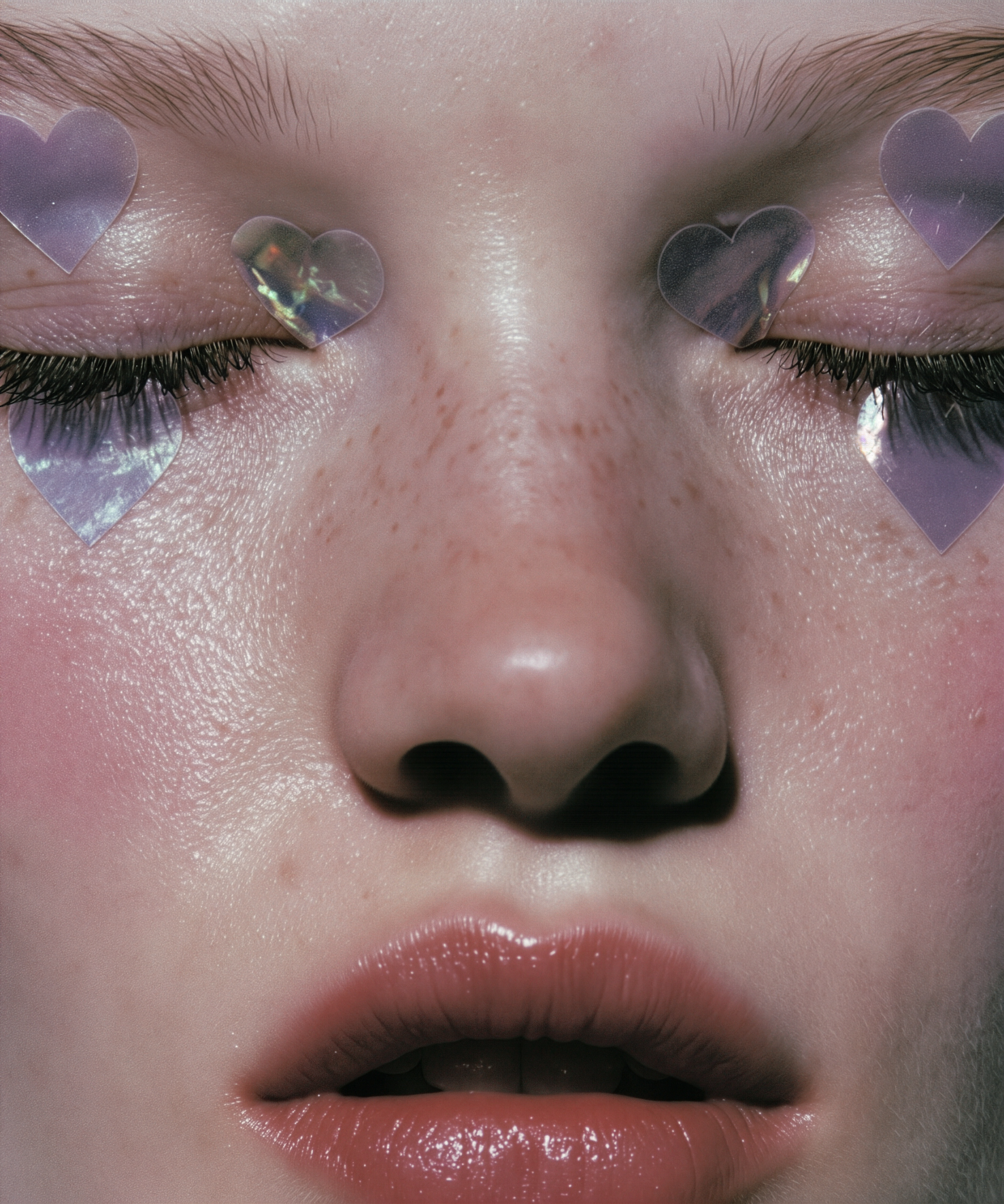
Do your projects begin with an emotion, a material, a face, or an idea?
Often, it’s an emotion that I’m feeling plus something I find beautiful that crosses my way, like a random piece like a vase I see at home, strange curtain colors, a scene at a beach. I feel the urge to translate it into beauty and filter it in a way so more people can understand its beauty. I think this is what once motivated me to become a journalist, I wanted to share stories, beauty, discover and communicate. I also really love textures and take them out of their context.
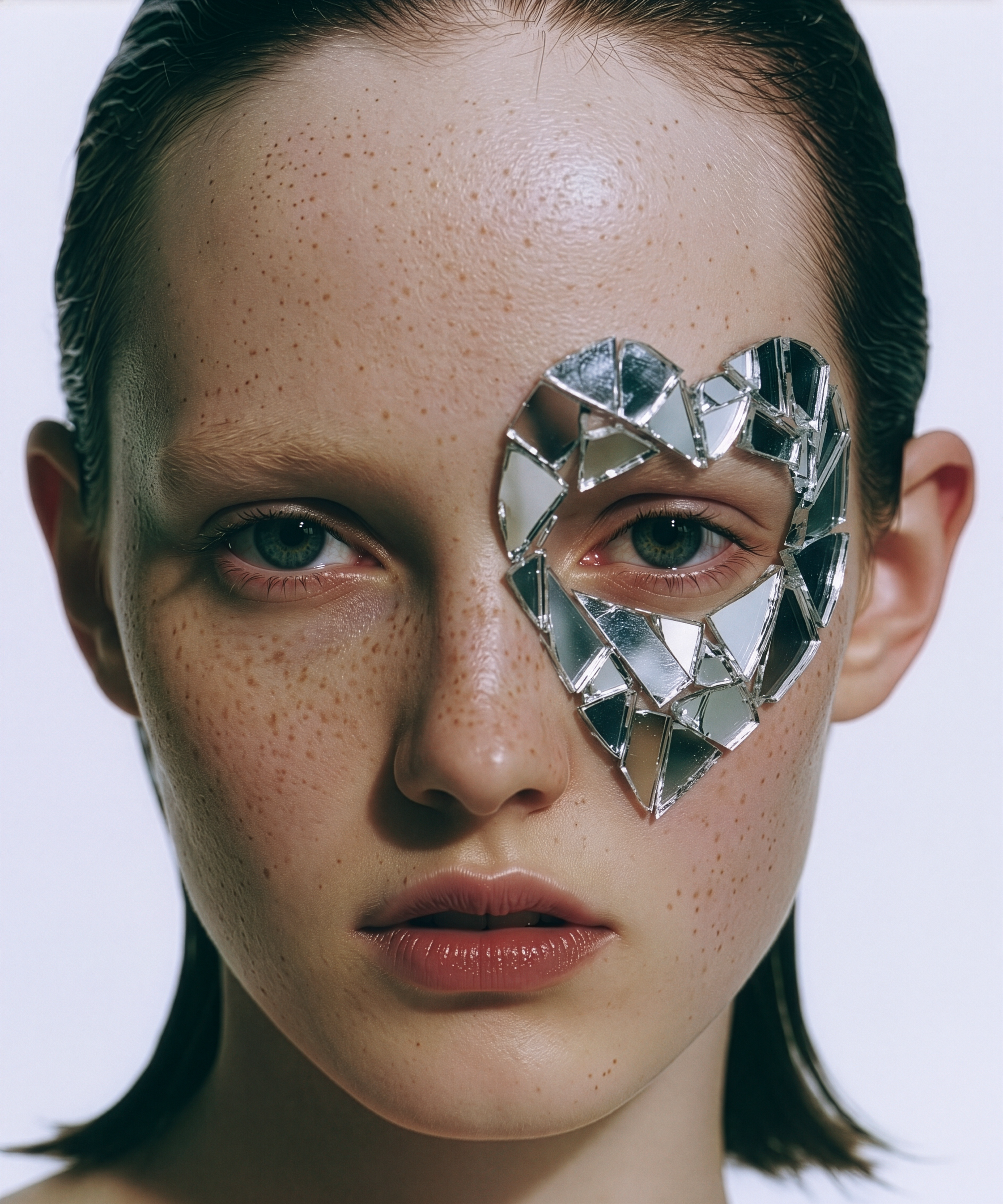
How do you know when an image has reached the point where adding more would actually make it weaker?
I trust my feelings - at least for my creative projects. It’s a little bit like a muscle I trained, I sense when it’s done. I’m also very decisive. Generally, I’m drawn to a certain simplicity with a whimsical, dreamy touch. I like to focus on one key element and frame it, sometimes with less details, sometimes a little bit more.
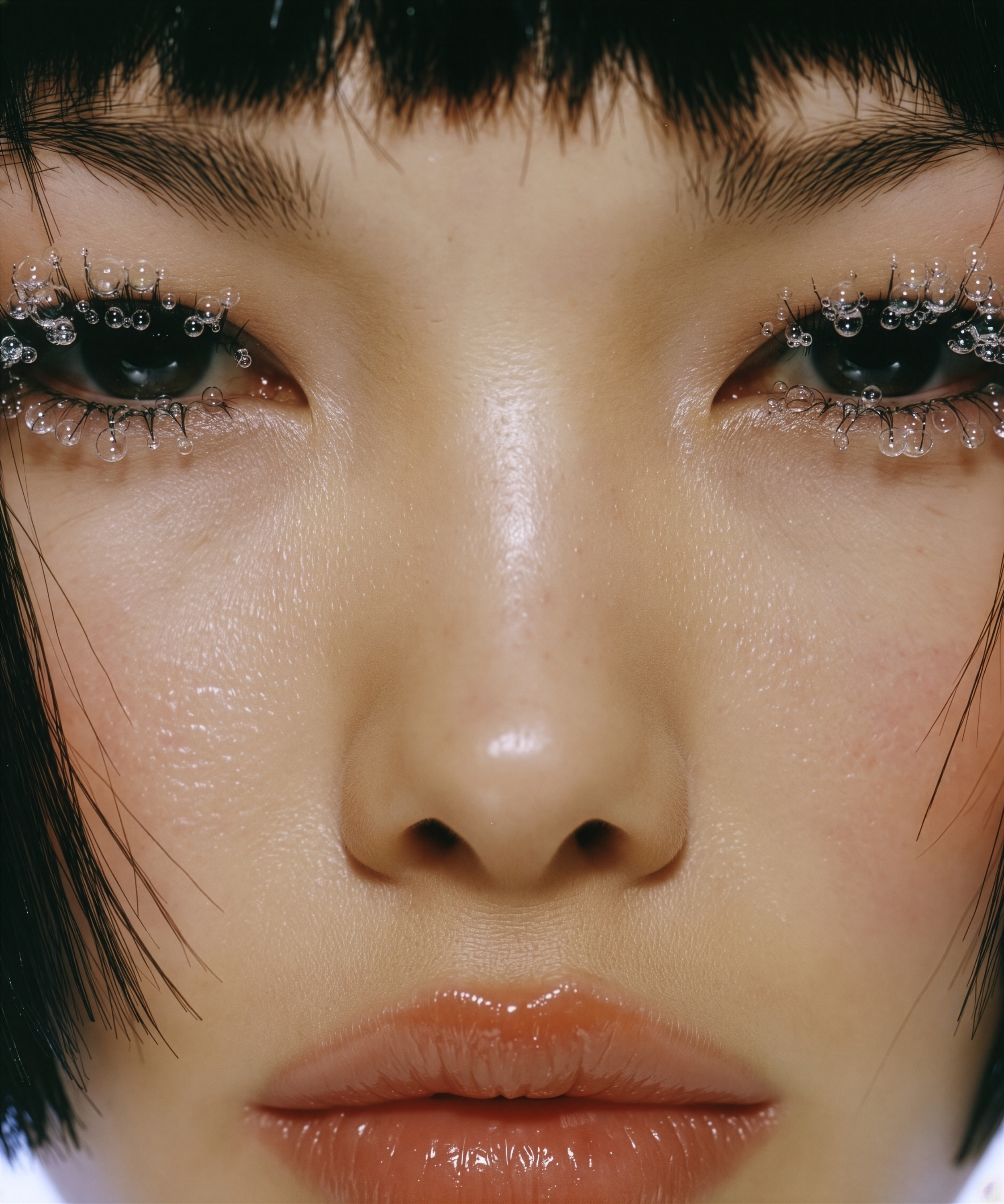
Beauty has always reflected society’s ideals. What do you think today’s beauty trends reveal about the anxieties of our generation?
I think there are so many ideals…and depending on where you go, they differ a lot, Seoul is certainly different from Berlin, to give an example. I see a lot of dupe and copy culture in beauty, coming maybe from a place of wanting to fit it and a longing for community. I also see that everything has to be “effortless”, despite it’s not. Maybe because life is complicated for many, there’s this image to act like beauty is not.
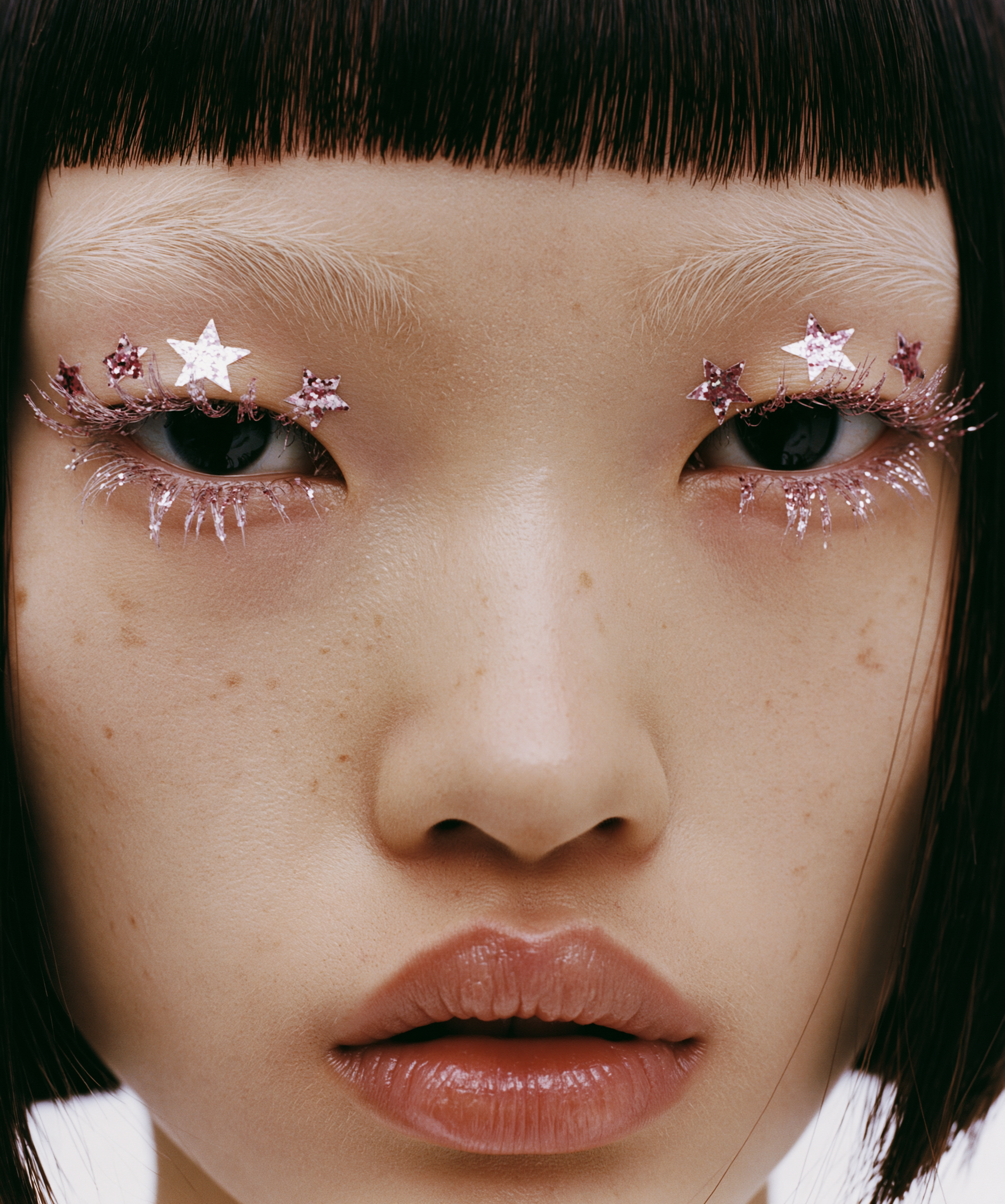
What’s one beauty rule everyone follows that you think deserves to disappear?
Rules are for religion. Don’t treat beauty like a cult, you don’t need absolution from anyone but yourself. See it as an option to enjoy, dream, express or comfort yourself.