GOODTIMES Is Designing Clothes to Outlive Trends
For the past decade, Malaysian label GOODTIMES has built its world around a simple idea: buy less, know more. Its clothes move between city life and the outdoors, combining technical function with a quieter design language shaped by music, movement and everyday experience. For SS27, the brand looks back home, translating traditional Songket textiles into perforated details while continuing to resist fashion’s obsession with constant novelty. We spoke with GOODTIMES about longevity, Malaysian identity, the beauty of function, and why the memories attached to what we wear can matter more than the clothes themselves.
We spoke with GOODTIMES’ founder about what it means to build clothes, and a culture, meant to last.
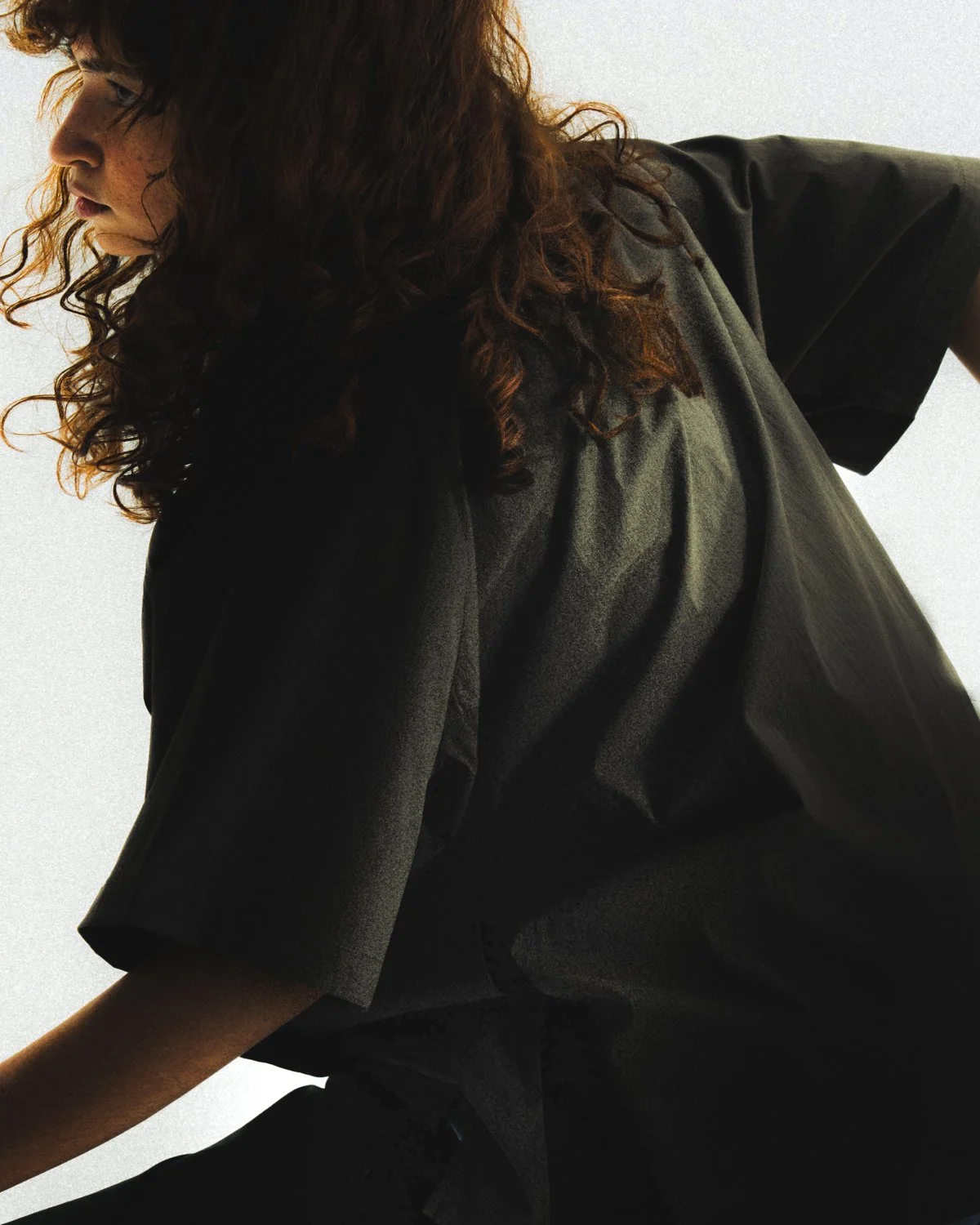
Your philosophy, “Buy Less, Know More,” feels almost radical in an industry built on constant consumption. Do you think fashion can genuinely encourage people to buy less, even when brands depend on selling more?
We get this a lot, haha! It isn't really about telling people to stop buying altogether, it's about encouraging intentionality. When you understand the thought process behind a piece on the specific fabric, the construction, or the message of the collection, you naturally form a connection with it and stop seeing clothes as disposable. We'd rather build a community that buys a few pieces they truly understand and wear constantly, instead of a massive audience that treats our work as a passing trend. So that's how our philosophy came out haha!
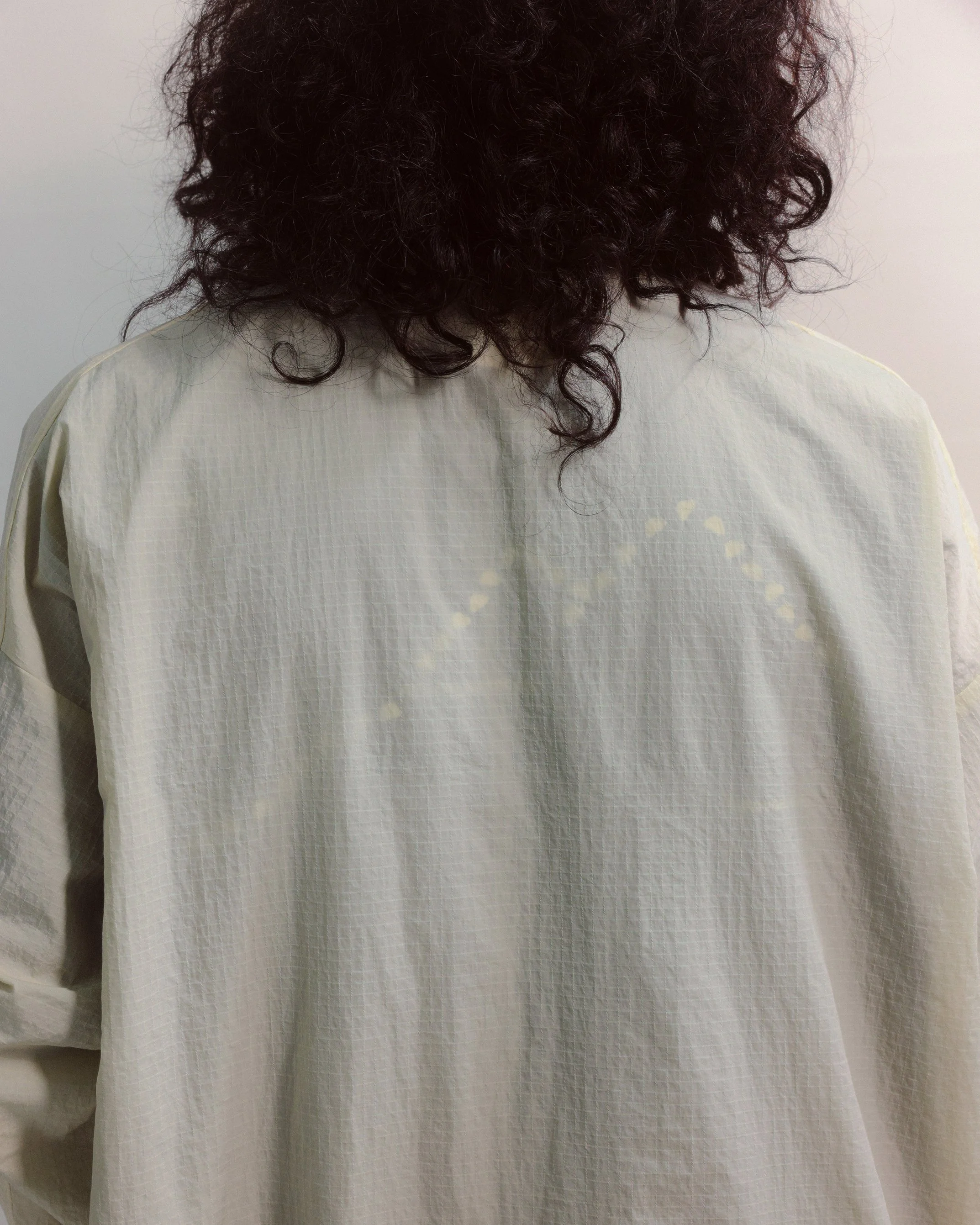
GOODTIMES draws equally from outdoor culture, music and everyday life. What do these worlds have in common that makes them belong in the same collection?
I think it really just goes back to our own hobbies. It's so important for us to create things that resonate with us organically. We spend a lot of time outdoors, and actually, the three of us met through music! I just love pulling all these different elements of our lives together. Everyday life is the stage where they all meet, and we want to design for that intersection, that design just work for any occasion and never get in the way of whatever you're doing.
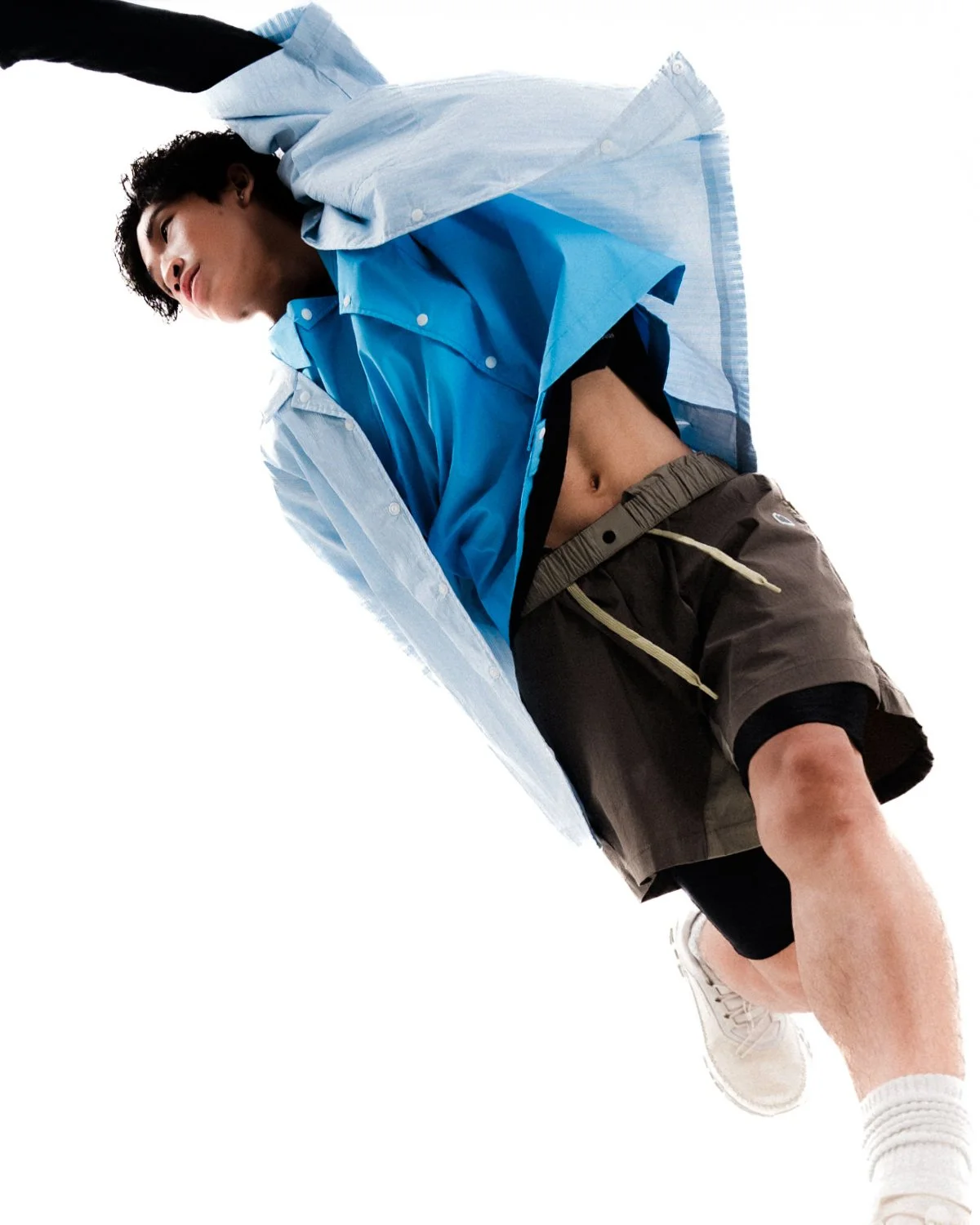
Your garments are designed to move comfortably between the city and the outdoors. Do you think modern life has erased that distinction, or are you trying to reconnect the two?
I personally think getting active is such a big thing right now, and it almost feels like you've gotta be part of it just to be cool! 😂 So no matter which way that wave goes, we aren't necessarily trying to make some huge philosophical statement about reconnecting the city and the outdoors. We just want to create honest designs that help people carry on with their day, whether they're indoors or outdoors. It's really just about bringing good times into people's days without them having to worry about their outfits.
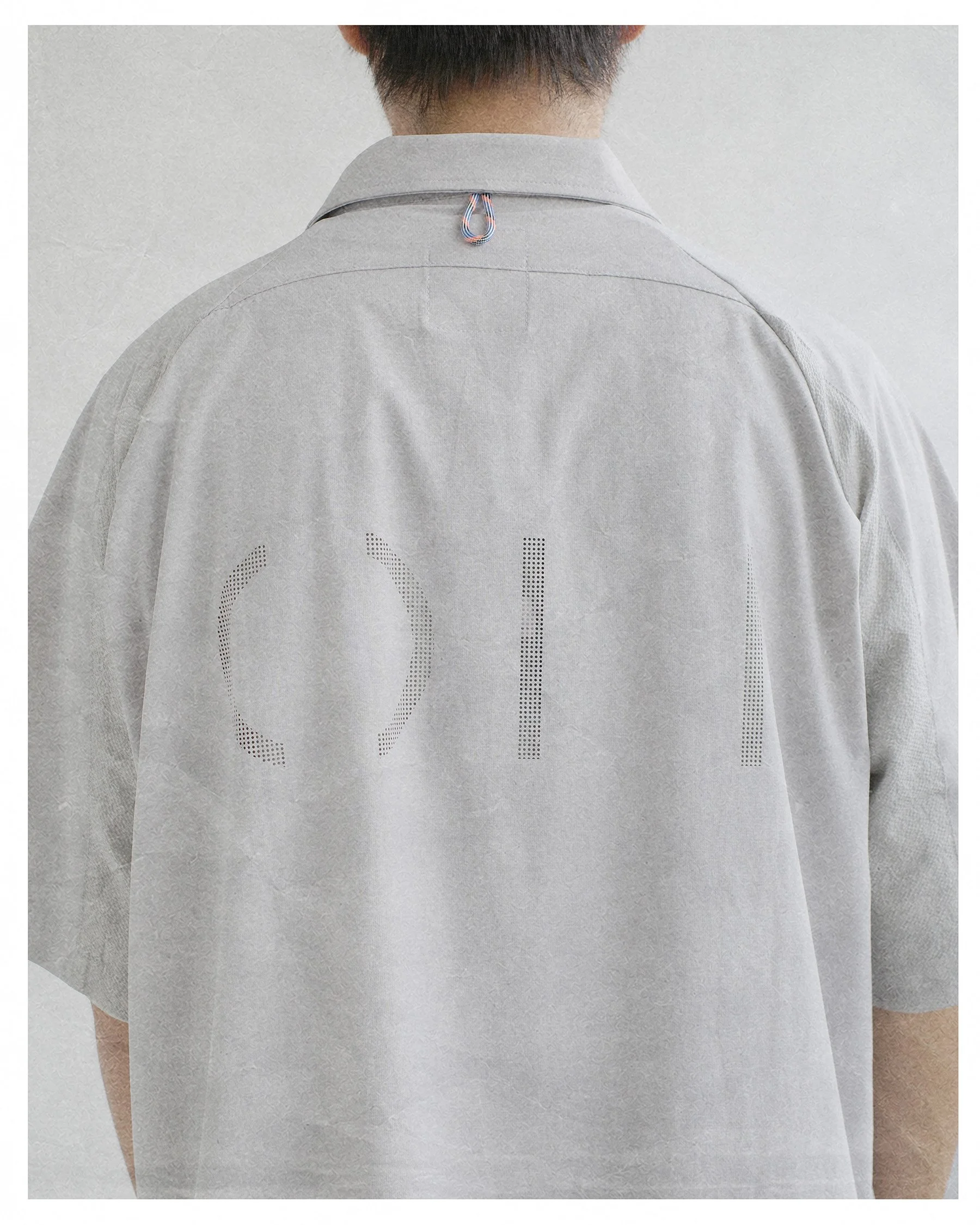
Minimalism often risks becoming emotionally neutral. How do you make quiet design still feel personal?
I personally love a quieter approach to design because it leaves room for people to speak for themselves. I think that is exactly how design should be. We lean into a calm and subtle aesthetic, adding a personal touch through small details where we hide messages for people to explore. And underneath all that, we pour deeply human concepts from our own experiences into the collections like exploring heavy, real themes like memory, grief, and moving forward. The design might look quiet on the surface, but it has a beating heart if you take the time to feel it.
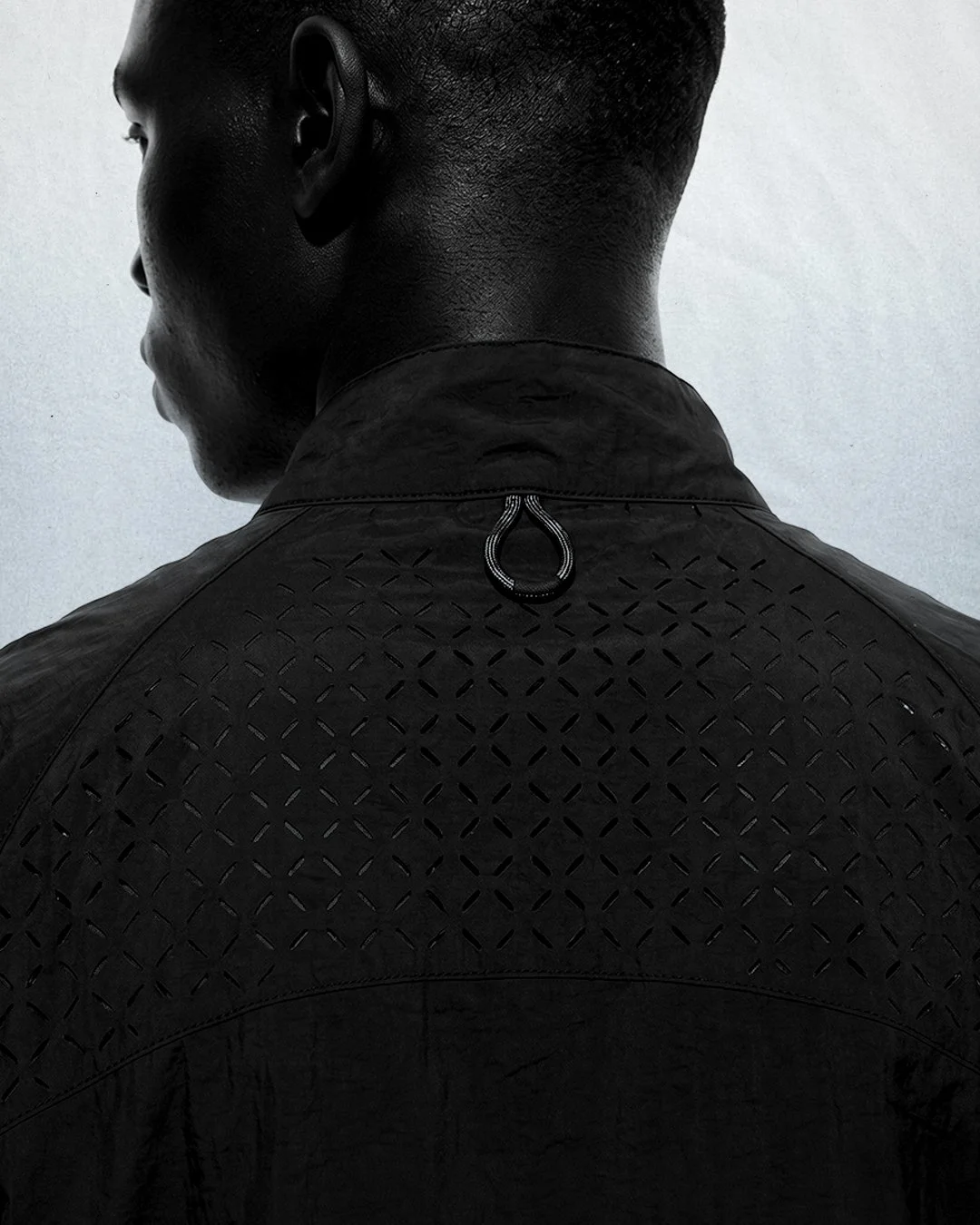
Many brands design for seasons. GOODTIMES seems to design for years. Has longevity become your way of resisting fashion’s increasingly rapid pace?
Definitely! We care way more about refining a staple than rushing to meet a seasonal trend. It’s because we care more about how a garment feels on a person's body than just making it sell quickly so we can produce more. I would much rather remember how a piece makes me feel when I'm wearing it, instead of just looking relevant to fit into a trend so others remember me, you know? I guess that's the longevity we're talking about! Haha, because emotion always lasts longer than anything on earth.
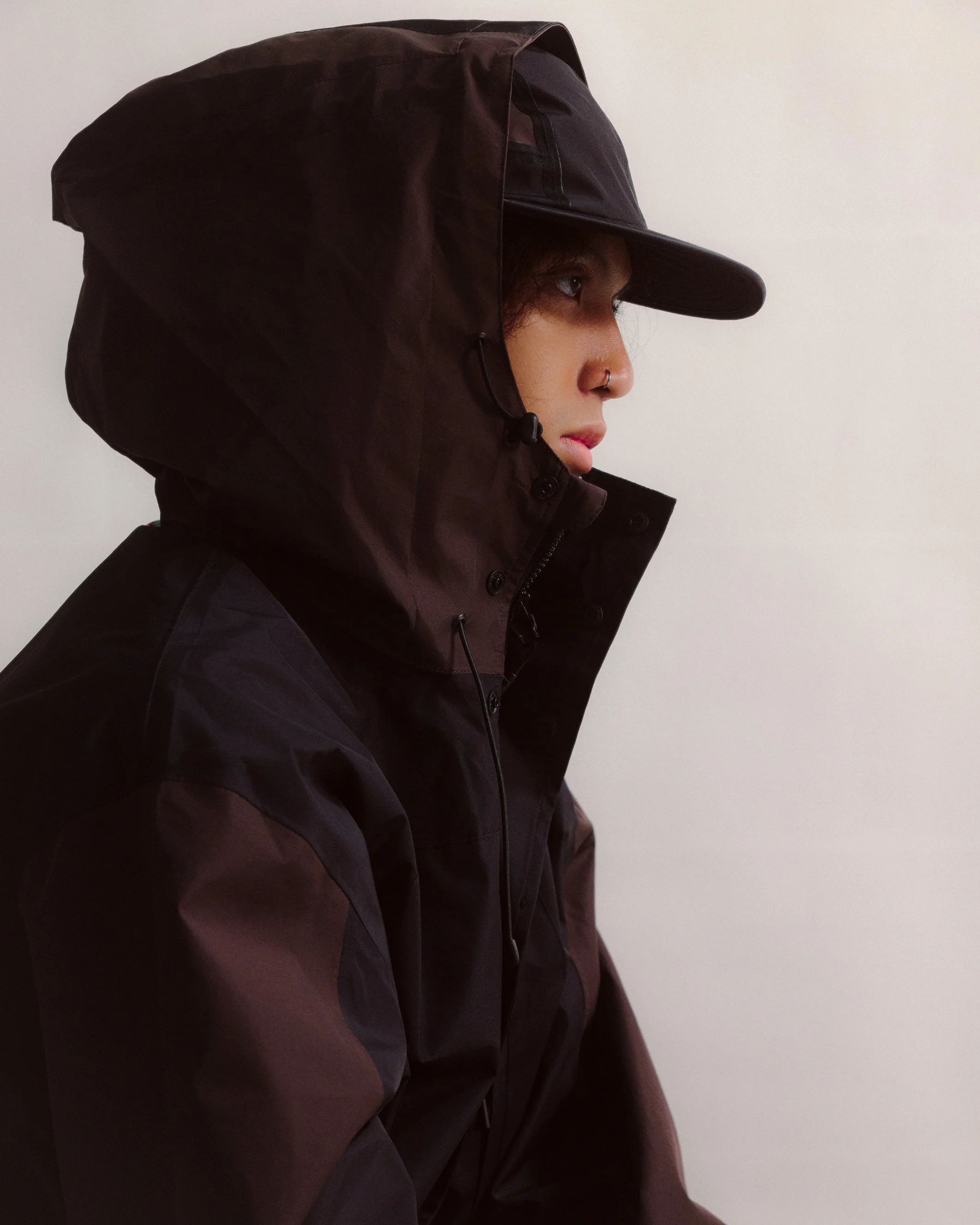
Your work suggests that function and beauty don’t compete with one another. Why do you think fashion has traditionally treated them as opposites? How do you view them?
I think traditionally, beauty was viewed as something fragile and delicate, while function was seen as rigid and purely practical. I personally love exploring a good balance between the two. Like, a well-placed articulation pleat or a dual-adjustment hood is inherently beautiful exactly because it solves a problem so gracefully. When form and function lock together perfectly, that’s where the real aesthetic value is for me. Balance is always something so beautiful, isn't it?
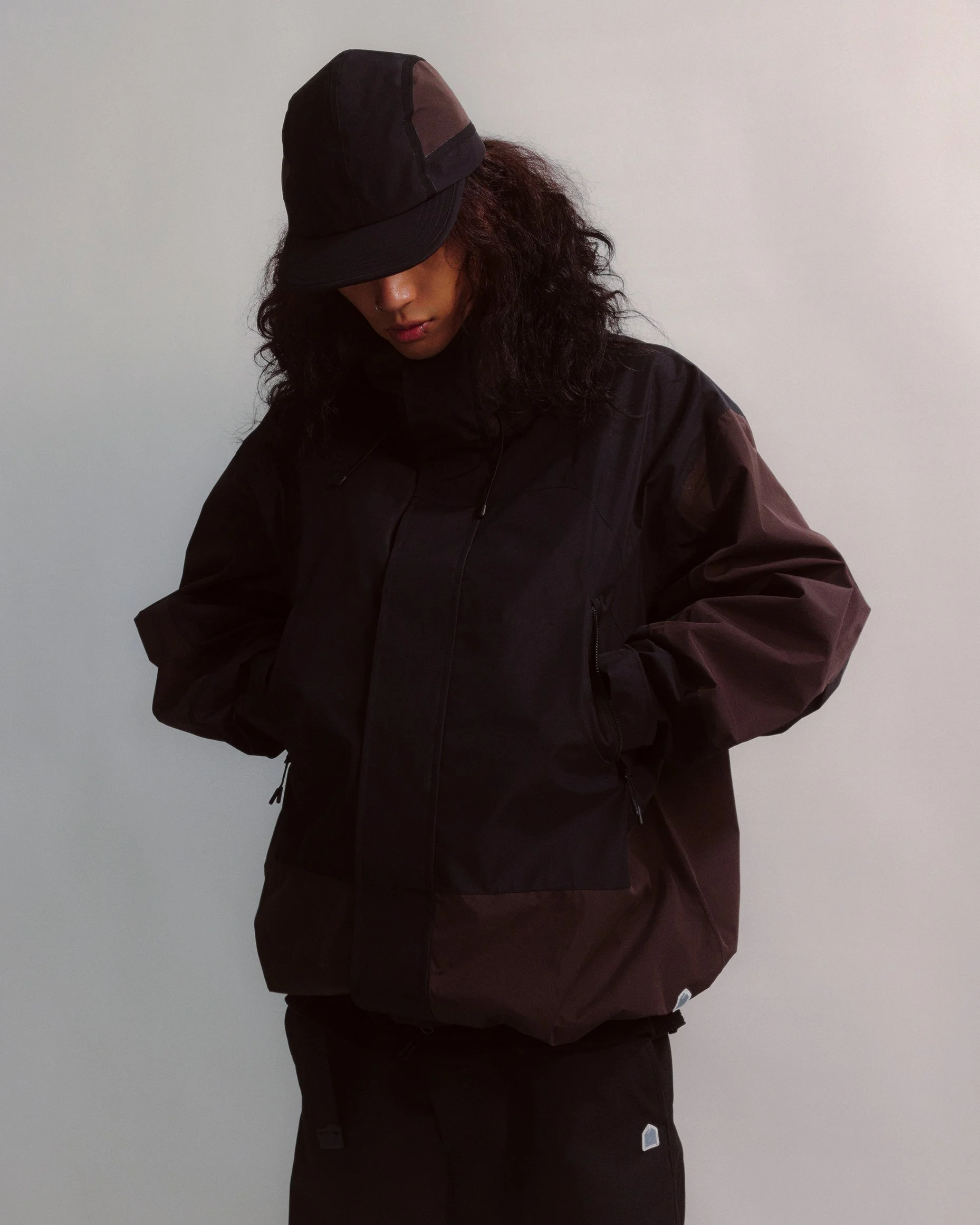
Malaysia has its own climate, landscapes and pace of life. How has designing there challenged assumptions inherited from European or Japanese outdoor fashion? What influences do you combine?
To be very honest, balancing this is one of our biggest challenges, haha! Traveling helps me break out of my usual cycle and get inspired by different cultures and landscapes. But ultimately, Malaysia is such a beautiful place that often gets overlooked globally, so we always try to weave our roots back into the clothing. For our SS27 collection, we actually created perforated details inspired by our traditional Songket textiles. It’s our way of representing our home in an interesting way, and hopefully getting more people to appreciate where we come from.
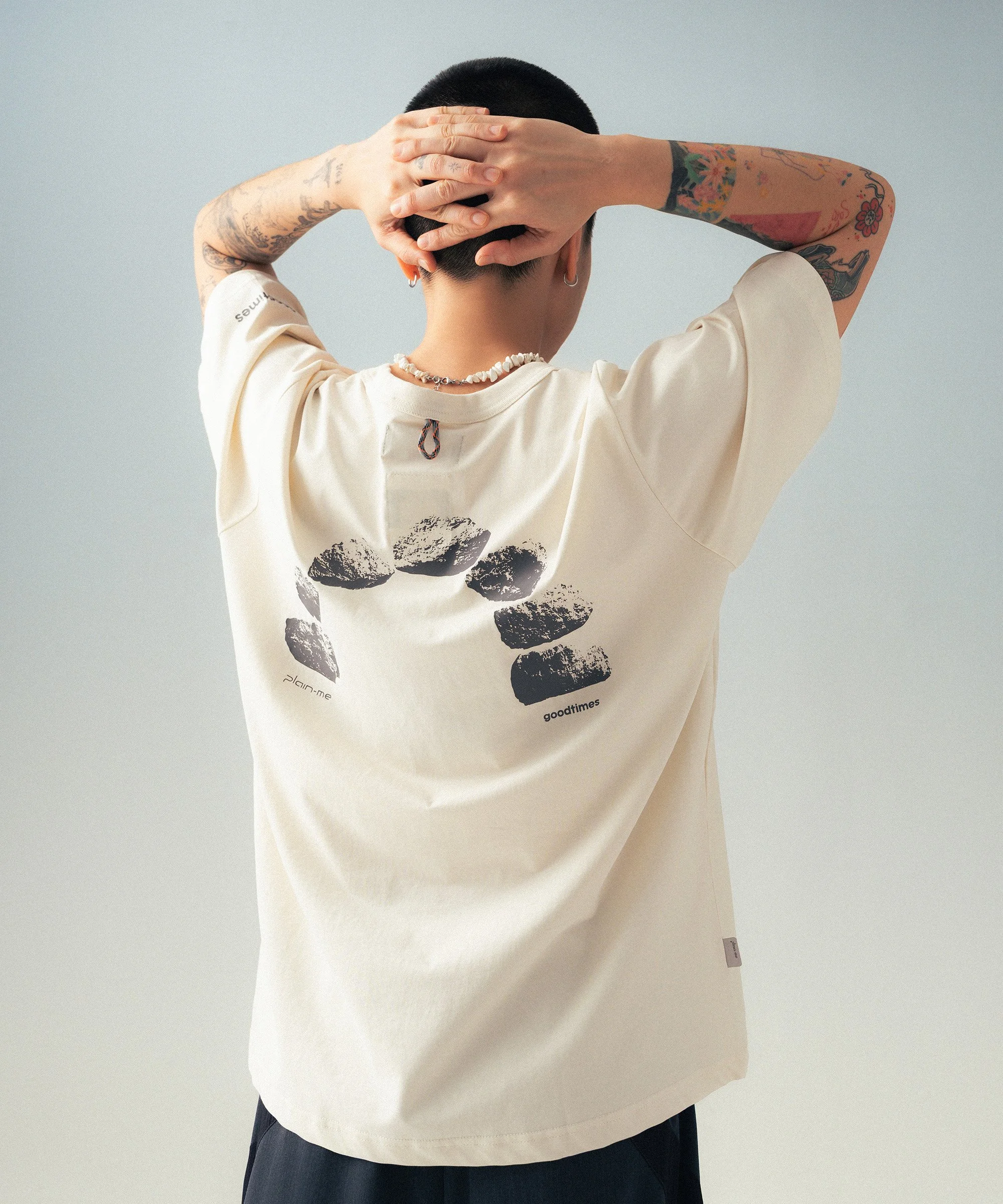
Your work often feels more like a lifestyle philosophy than a clothing label. At what point does a fashion brand become a way of seeing the world?
It happens naturally when you care about the culture surrounding the clothes just as much as the garments themselves. Our hobbies, the spaces we inhabit, and our daily routines shape who we are. Clothing is just one form for expression, but we have so much more we want to share! When we host book clubs at the store to discuss sociology, or treat retail as a curated experience rather than a mere transaction, the brand inevitably becomes a lens. The clothes are just a starting point for a wider conversation about how we want to live. We're so fortunate that our brand brings people from completely different backgrounds together to explore ideas and build global connections. That human connection is a far more beautiful thing than just the clothes themselves.
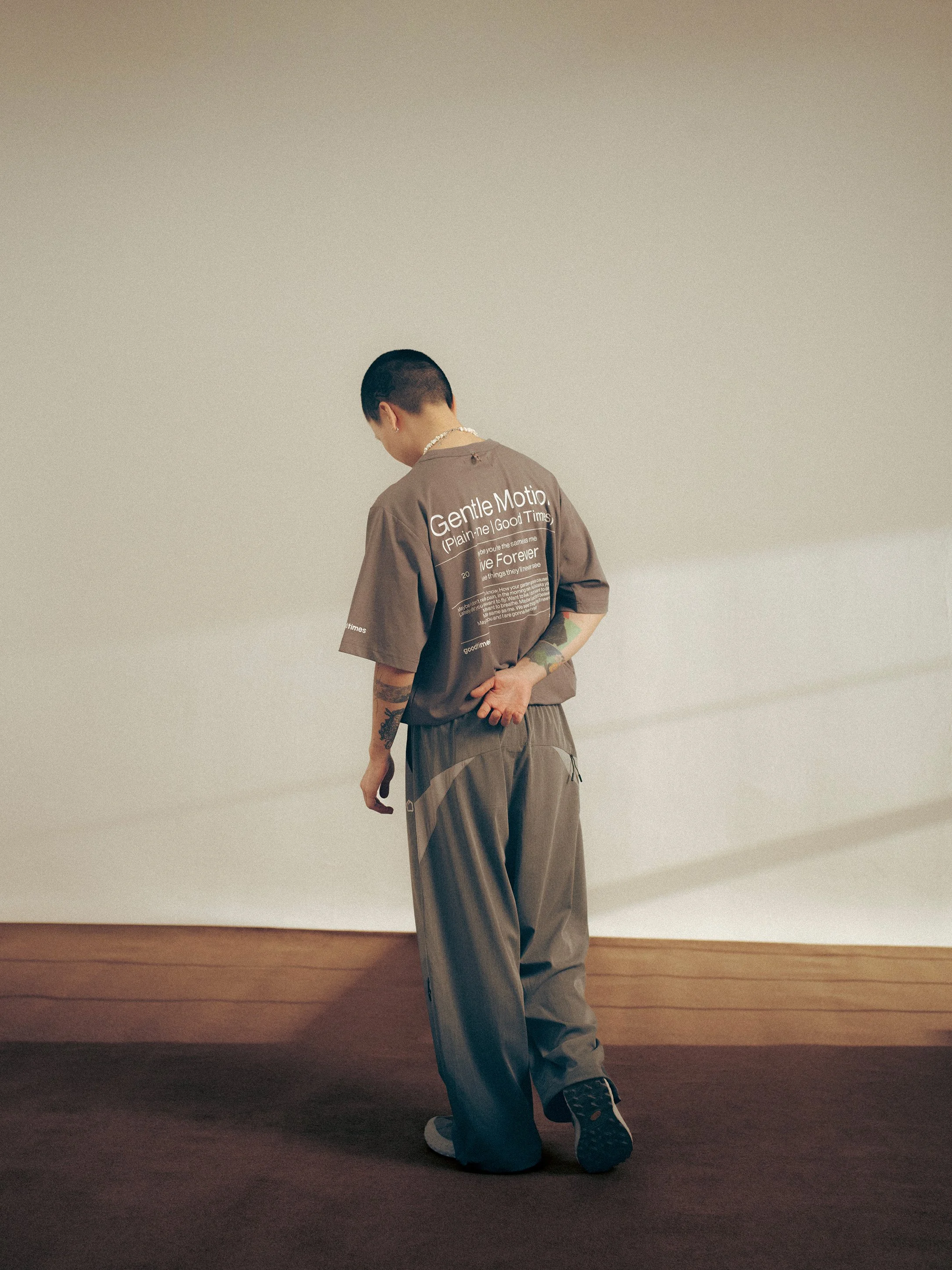
If someone wore GOODTIMES every day for ten years, what do you hope they’d remember—the garments themselves, or the experiences they had while wearing them?
Funny enough, this year is our 10th anniversary, and we actually just met someone wearing a tee from our very first collection haha! It was completely beat up, but beautiful in its own way. The memories attached to a piece you've worn for a decade are so personal, only the wearer really knows them. For anyone still wearing our designs 10 years on, I just hope those ten years have treated you well. But even if there were hard times, I hope that piece brings you back to a GOOD TIMES from when you first got it, you’ll be fine and you are gonna live forever 🌟