Marko Laitinen finds the Strange in the Ordinary
Some photographs ask us to look harder at extraordinary things. Marko Laitinen’s work does the opposite. A streetlamp, a chair, a blank wall, a reflection; small details most people pass without noticing become the centre of the frame, charged with humour, tension or quiet significance. Rather than searching for spectacle, Laitinen works through attention: walking slowly, noticing coincidences, and allowing ordinary spaces to become briefly theatrical. In this conversation, he reflects on solitude, empty space, accidental humour, and photography as a way of resisting the habit of moving through the world without really seeing it.
Your photographs often give ordinary things an unexpected importance. What do you think we miss when we decide something isn't worth looking at?
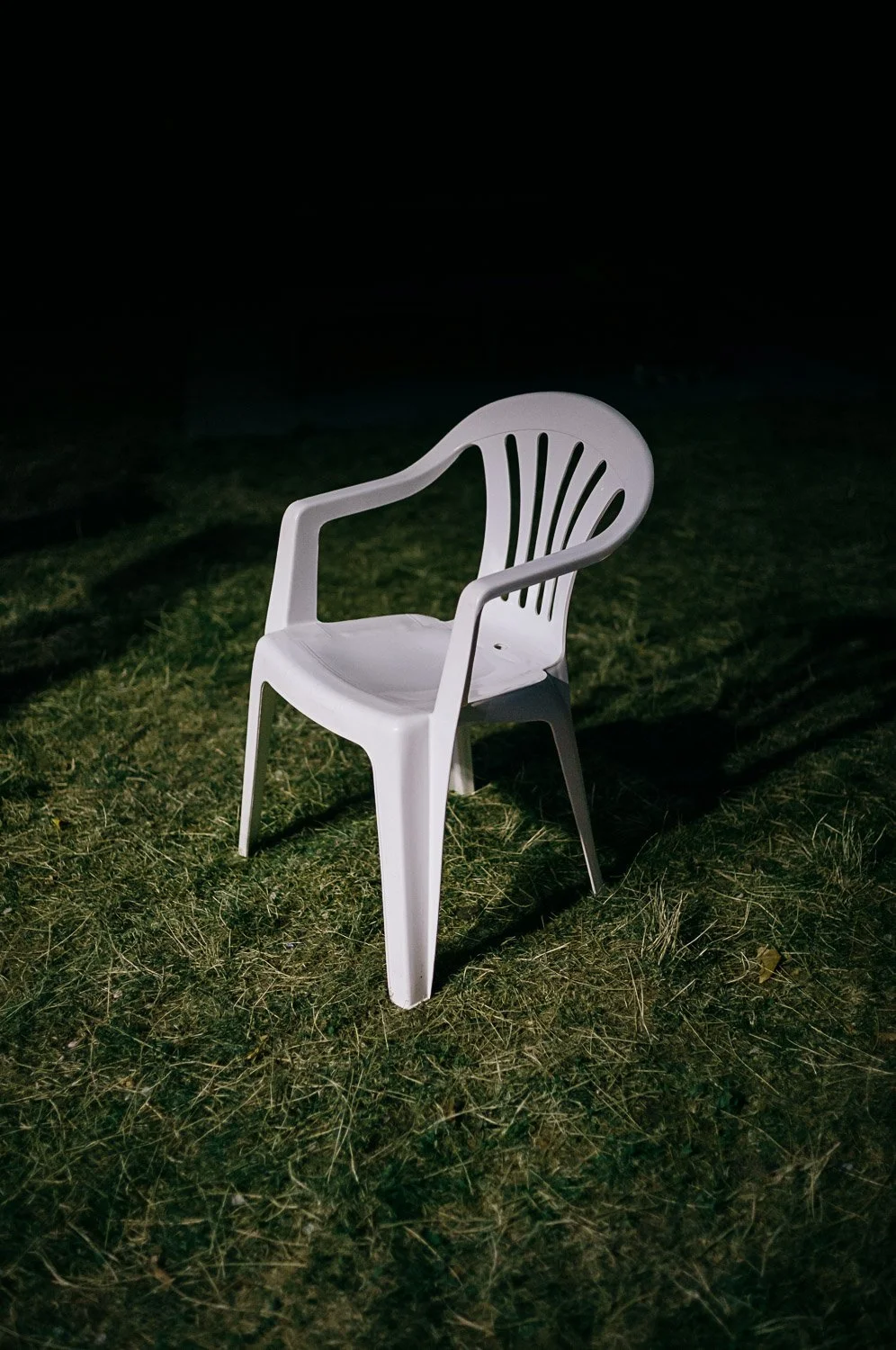
I think we miss a lot when we decide too quickly that something is not worth looking at. Most of our surroundings are made up of ordinary things, and after a while we stop seeing them. A chair, a streetlamp, a wall or something left on the pavement becomes almost invisible because we already think we know what it is.
Photography gives me a reason to look at these things again. Sometimes a very ordinary object becomes interesting because of the light, its surroundings, or simply because it is slightly out of place. I like that moment when something familiar suddenly looks strange again.
There's a particular kind of solitude in your images, even when people are present. Is loneliness something you recognise in them, or is that something the viewer brings?
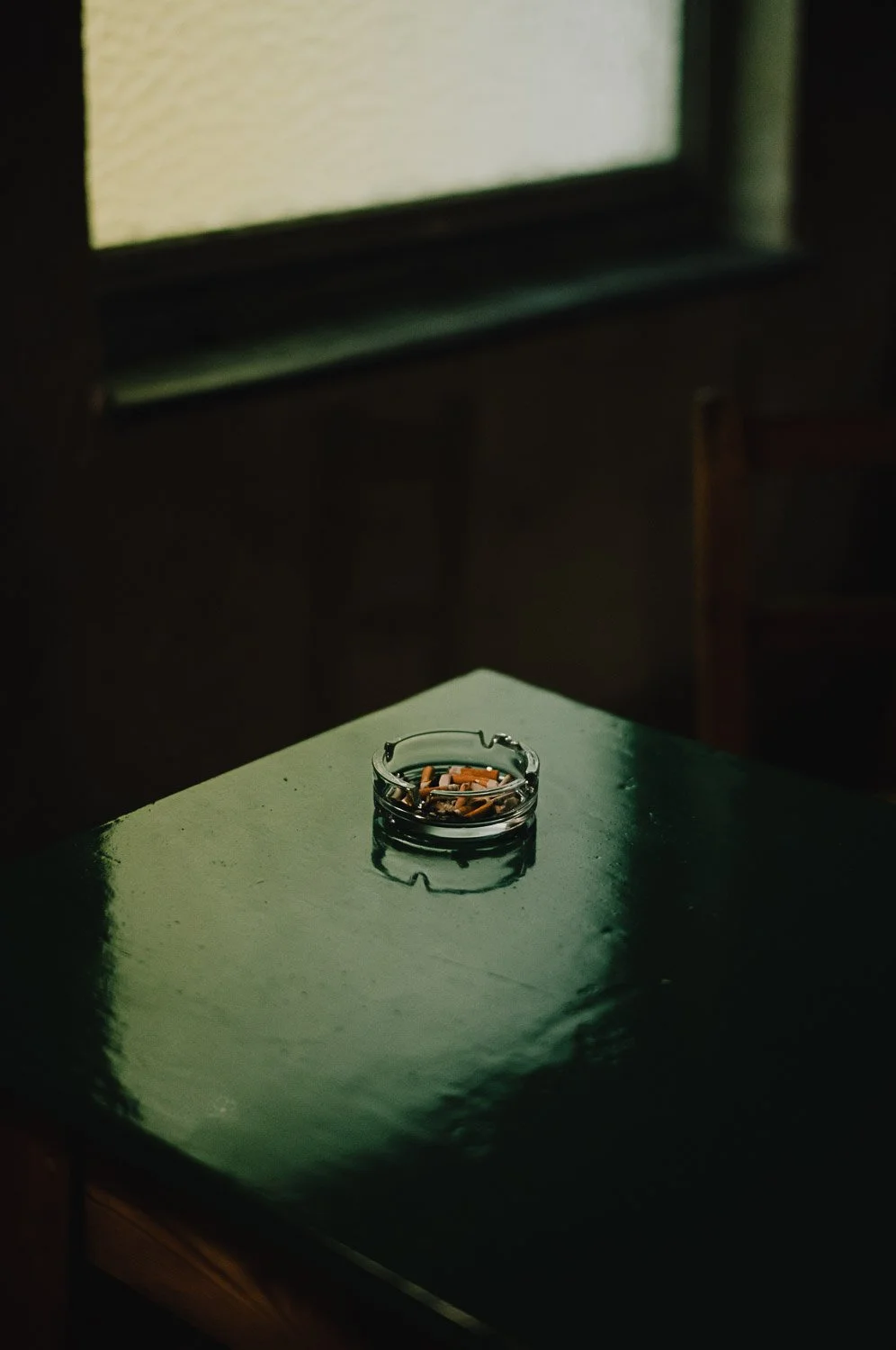
I don't really think of it as loneliness when I take the photograph. Solitude is probably closer to it. I'm attracted to isolated figures and objects because they create a certain quietness in an image.
But I also don't want to decide what that quietness means. Someone might see loneliness, while someone else might see peace, humour or simply space. I like leaving enough room for the viewer to bring something of their own to the photograph.
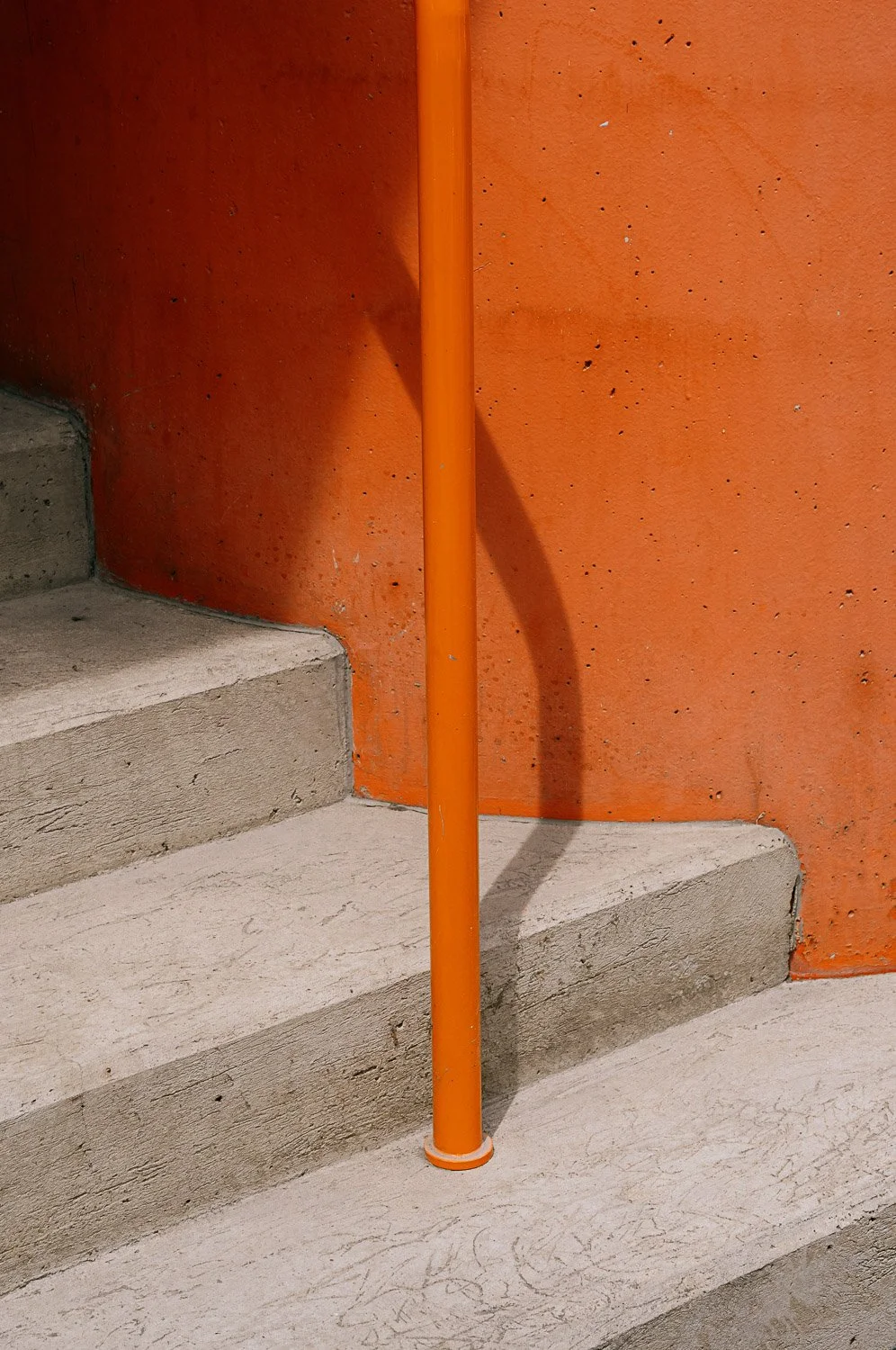
You say you take photographs to "keep your eyes open." Do you think adulthood gradually teaches us not to notice things? We experience cities increasingly while looking at screens, maps and notifications. Do you think we're losing the habit of simply observing where we are?
Yes, I think so. As children we can spend a long time looking at completely insignificant things because they are new to us. As adults we become very efficient. We know where we're going and what things are for, so we stop looking at them.
Phones probably make that even easier. You can move through a city while barely being present in it. Photography does the opposite for me. It makes me walk more slowly and look around without necessarily searching for anything specific. When I say photography helps me keep my eyes open, I mean that quite literally.
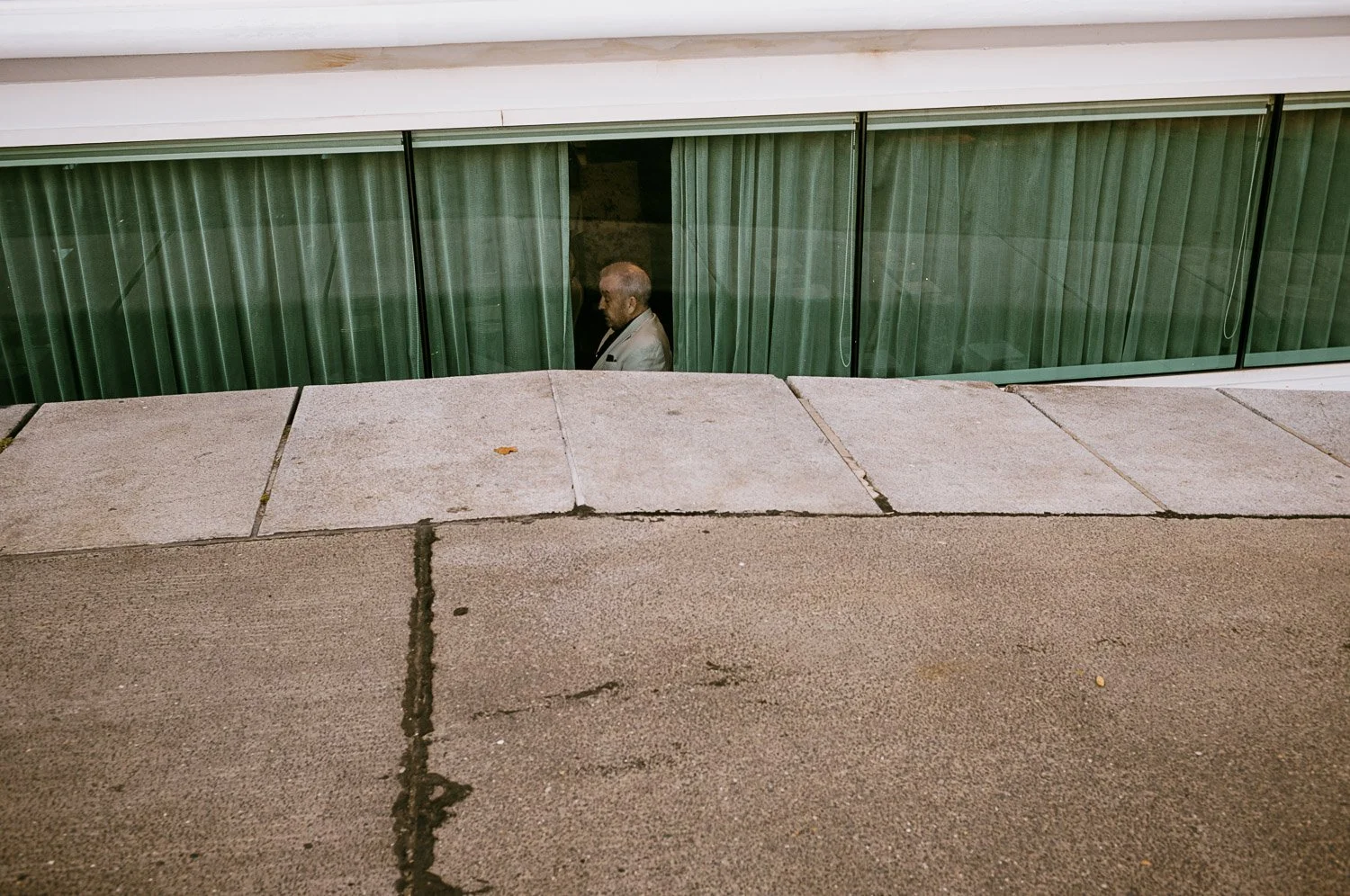
A lot of your photographs seem to find humour in very small coincidences. How important is humour to the way you see the world?
Very important, although I rarely go out looking for something funny. The humour I like usually comes from coincidence: two things lining up, an object appearing somewhere it shouldn't, or a small visual relationship that lasts for only a moment.
I prefer humour that is quiet and slightly absurd rather than a photograph that immediately announces the joke. Ideally you notice it a second later.
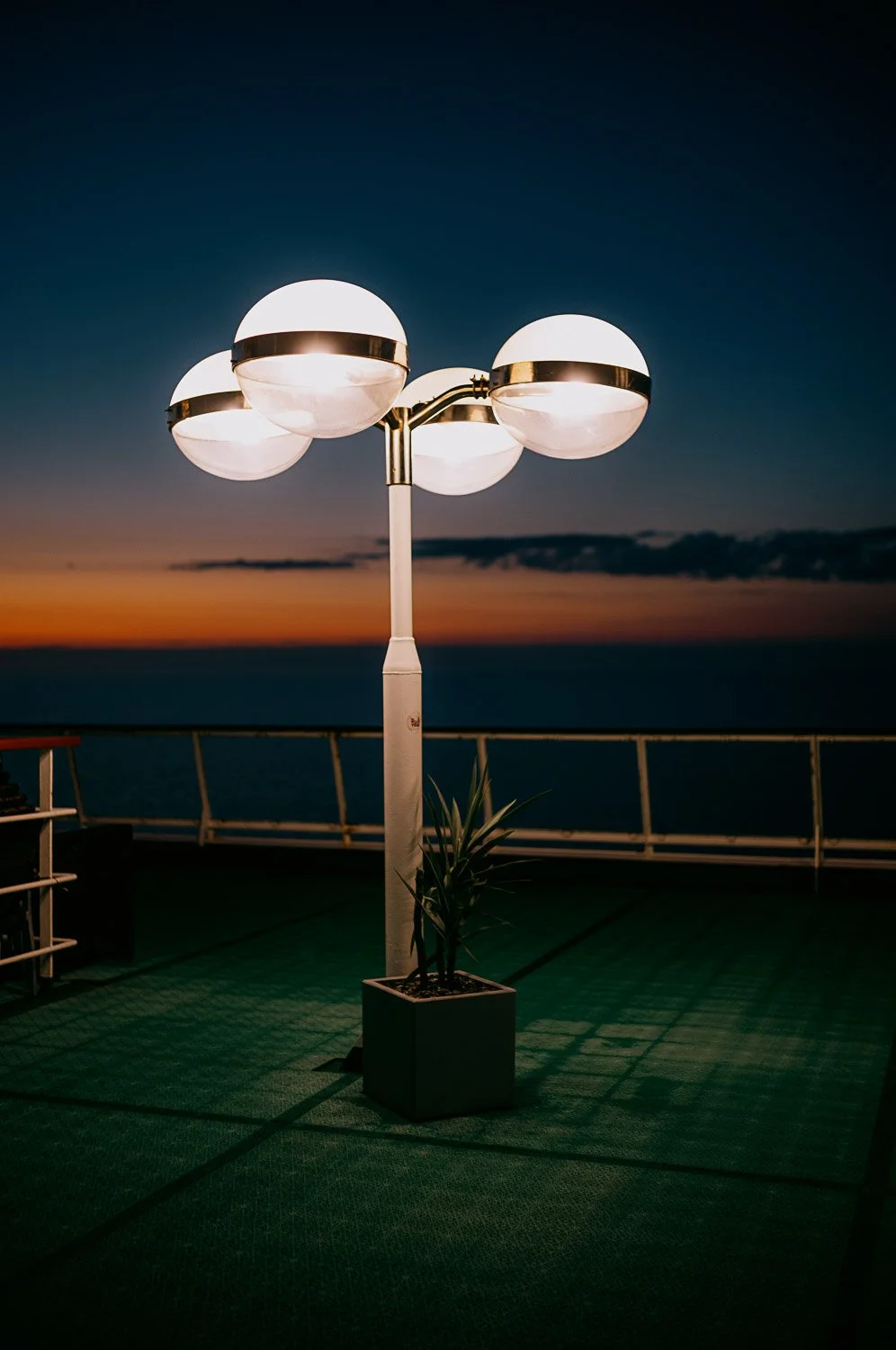
Your images can make completely functional spaces feel strangely theatrical. Do cities sometimes feel like accidental stage sets to you?
Absolutely. Sometimes you turn a corner and everything seems to have been arranged: the light, a wall, a chair, a person standing in exactly the right place. Of course nobody arranged any of it, which is what makes it interesting.
I think that's one of the reasons I enjoy walking with a camera. The city constantly builds these temporary little stages and then destroys them again a few seconds later.
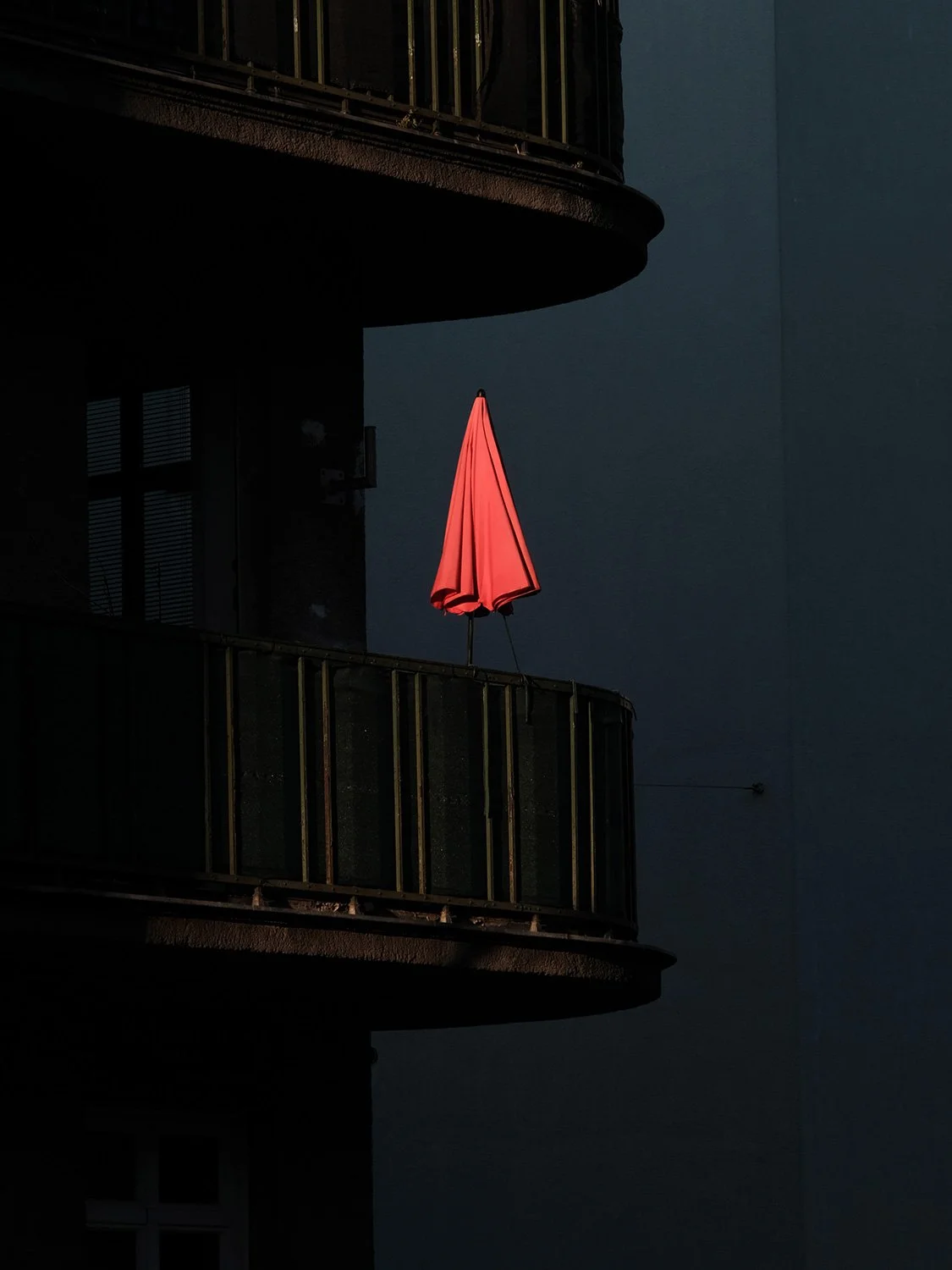
Your work makes a streetlamp capable of carrying as much visual weight as a person. Do you believe objects can have something resembling personality?
I think they can, although obviously the personality is something we project onto them. A streetlamp can look lonely, a chair can look expectant, or two objects can suddenly seem to have some kind of relationship.
I enjoy that because it changes the usual hierarchy of a photograph. A person doesn't automatically have to be the most important thing in the frame. Sometimes the streetlamp really is the protagonist.
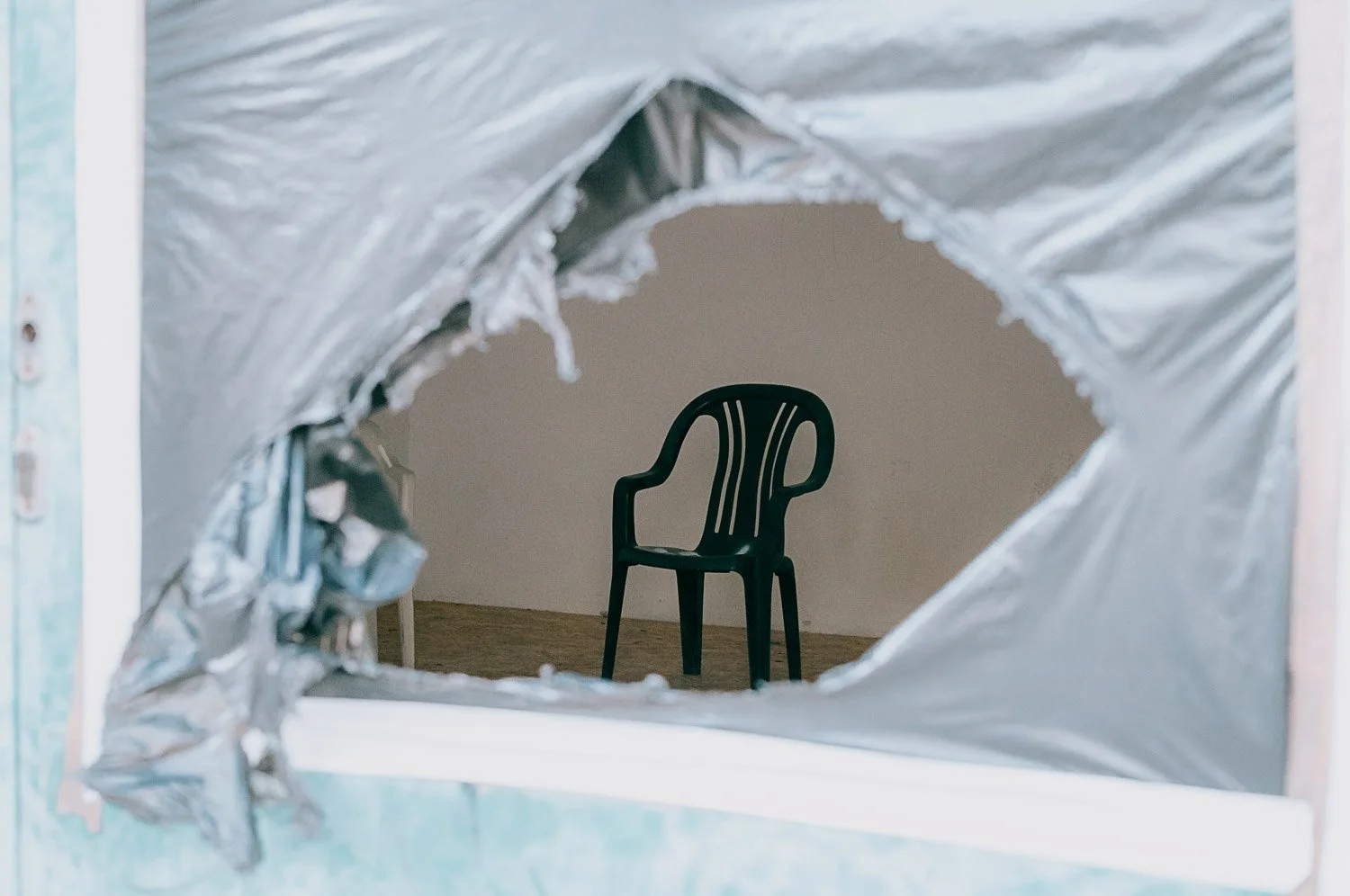
There is a lot of empty space in your photographs, but it rarely feels empty. What do you think absence can communicate that a crowded image cannot?
Empty space gives the subject somewhere to exist. It can create tension, isolation or anticipation, and sometimes it makes a very small thing feel much more important.
I also like photographs that don't explain everything immediately. Empty space slows the image down. It allows you to wonder what happened before the photograph or what might happen afterwards.
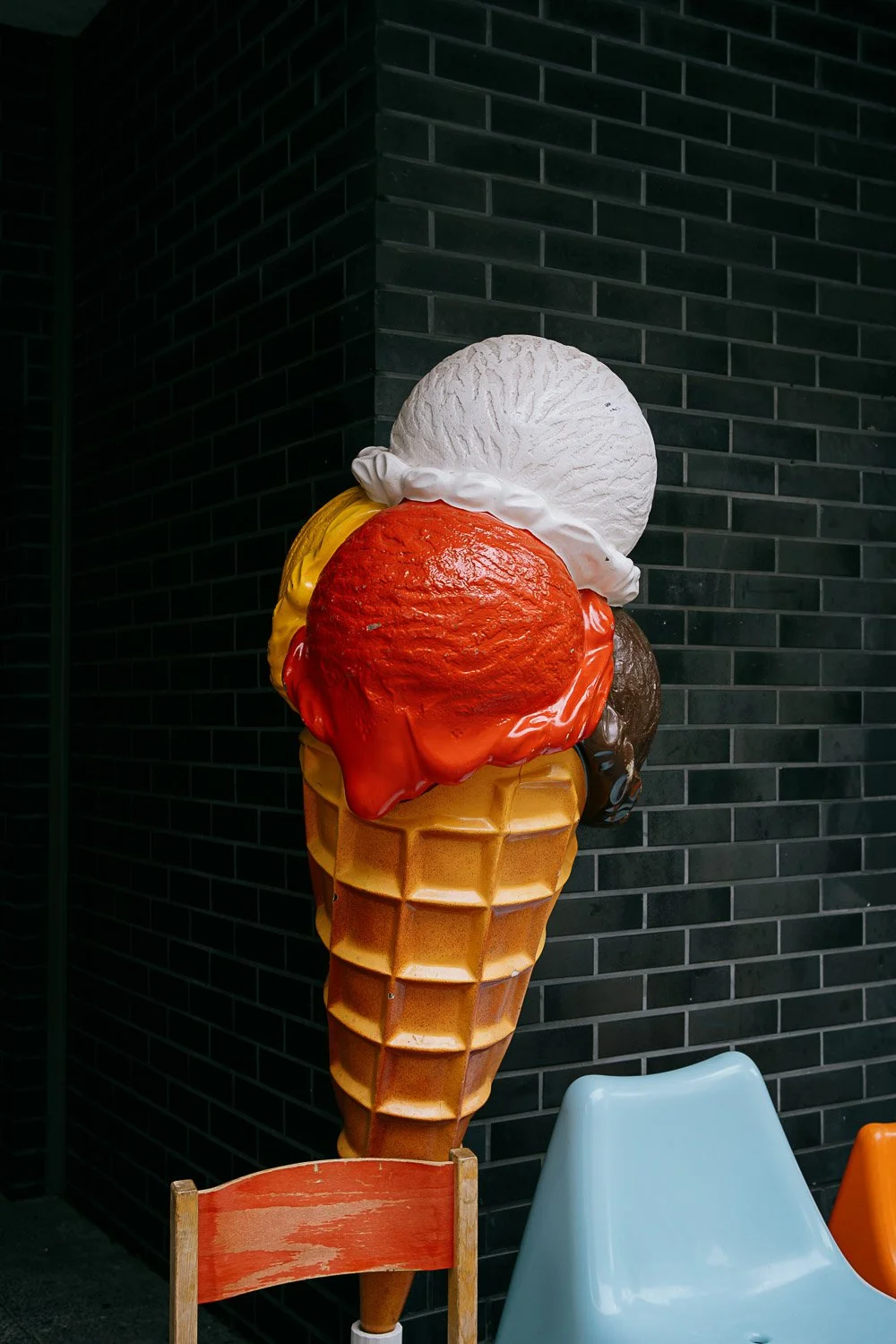
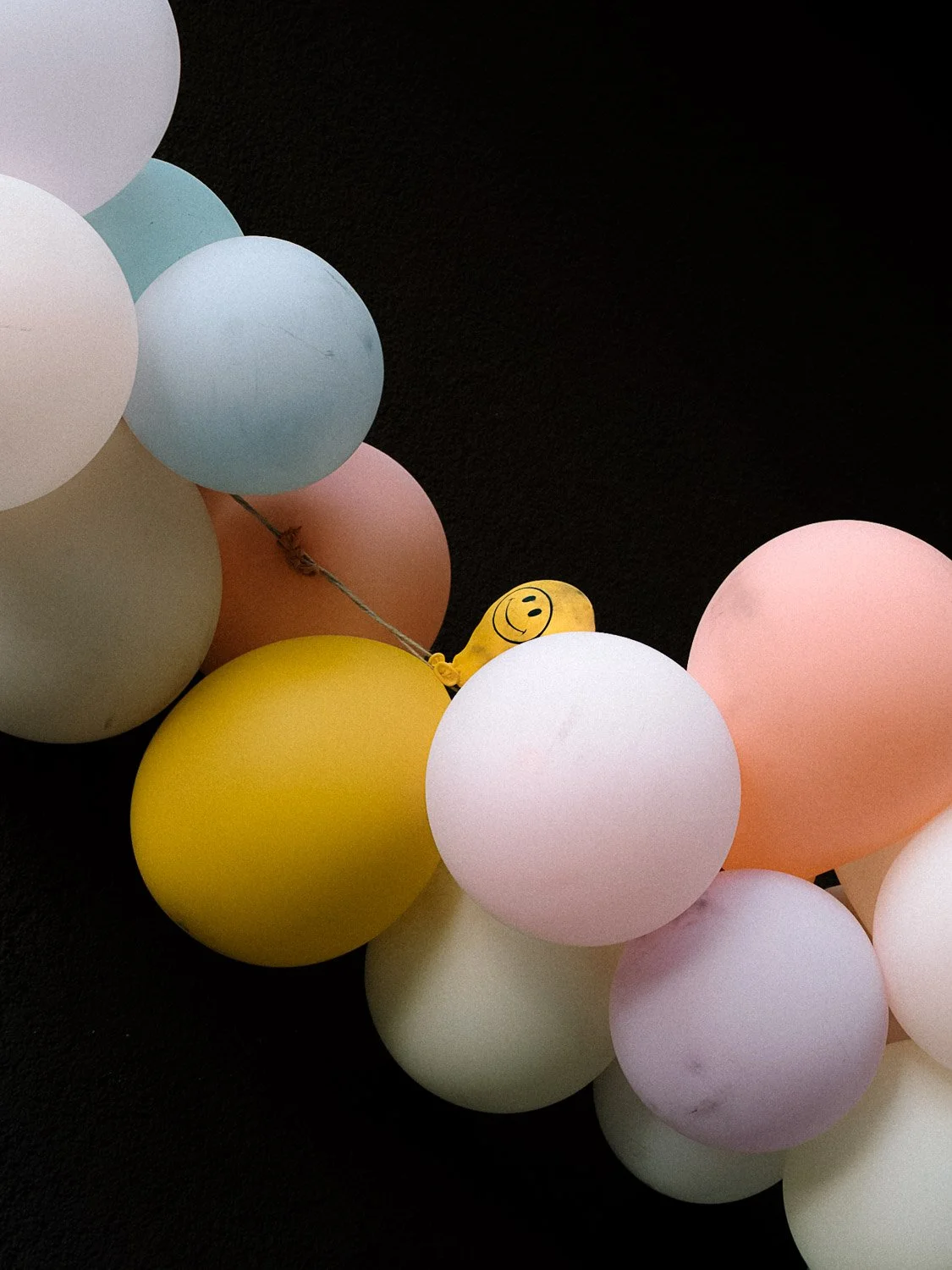
There's something democratic about your subjects: an ice-cream sign, a balloon or a blank wall can become as worthy of attention as anything conventionally beautiful. Do you have a hierarchy of what deserves to be photographed?
Not really. In fact, I'm probably more interested in things that aren't obviously beautiful.
If something is already spectacular, the photograph sometimes has less work to do. I find it much more satisfying when light, colour, composition or coincidence transforms something completely ordinary for a moment. Almost anything can deserve a photograph if it makes me stop and look twice.
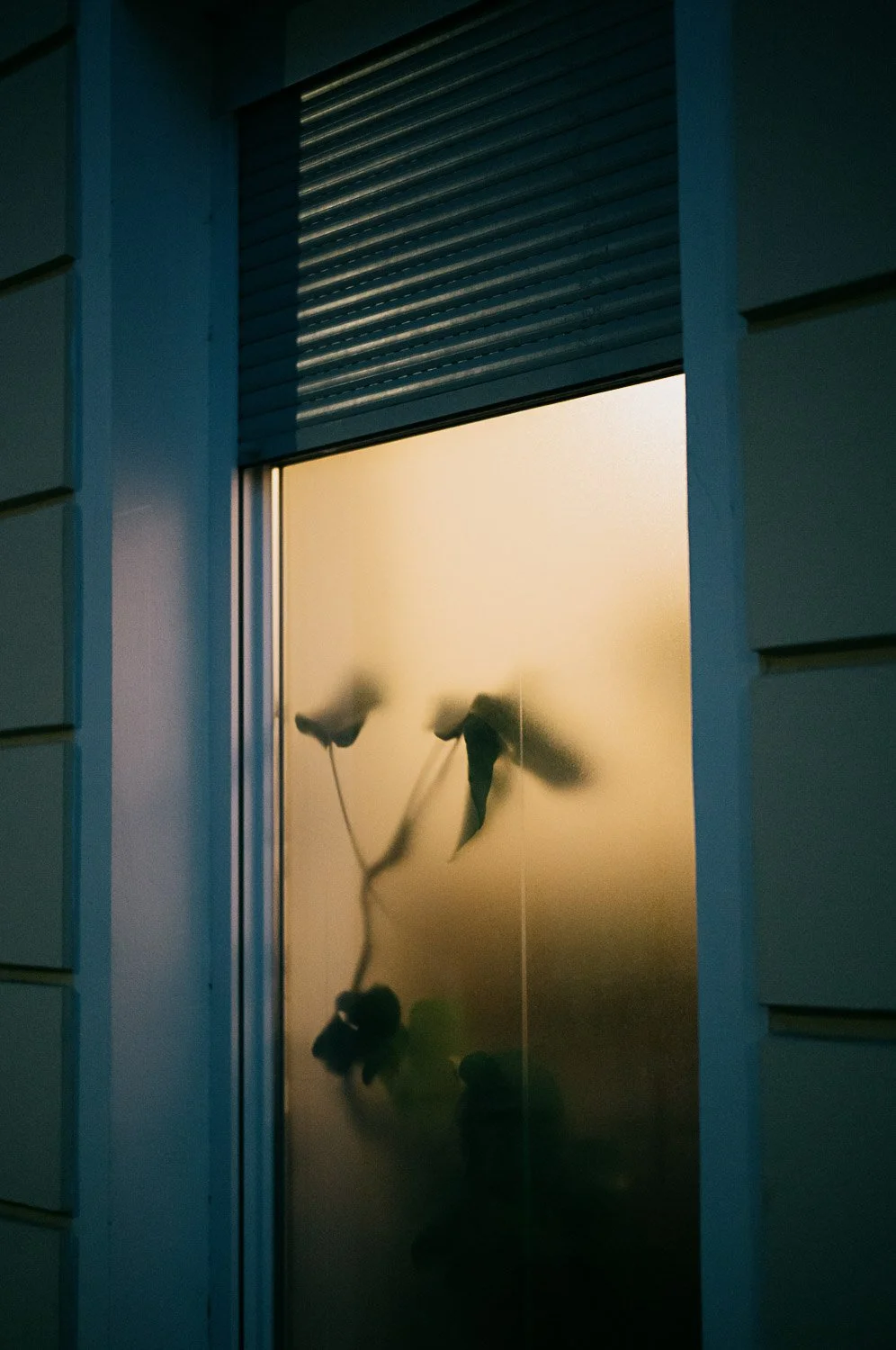
Has photographing the same streets and environments over time made them feel more familiar to you, or progressively stranger?
Both. I know them better, but photography also makes them stranger.
Once you start paying attention, you realise that the same street is never really the same. The light changes, objects disappear, something gets painted, somebody leaves a chair outside, or a person walks through the frame at exactly the right moment. Familiarity actually makes those small changes easier to notice.
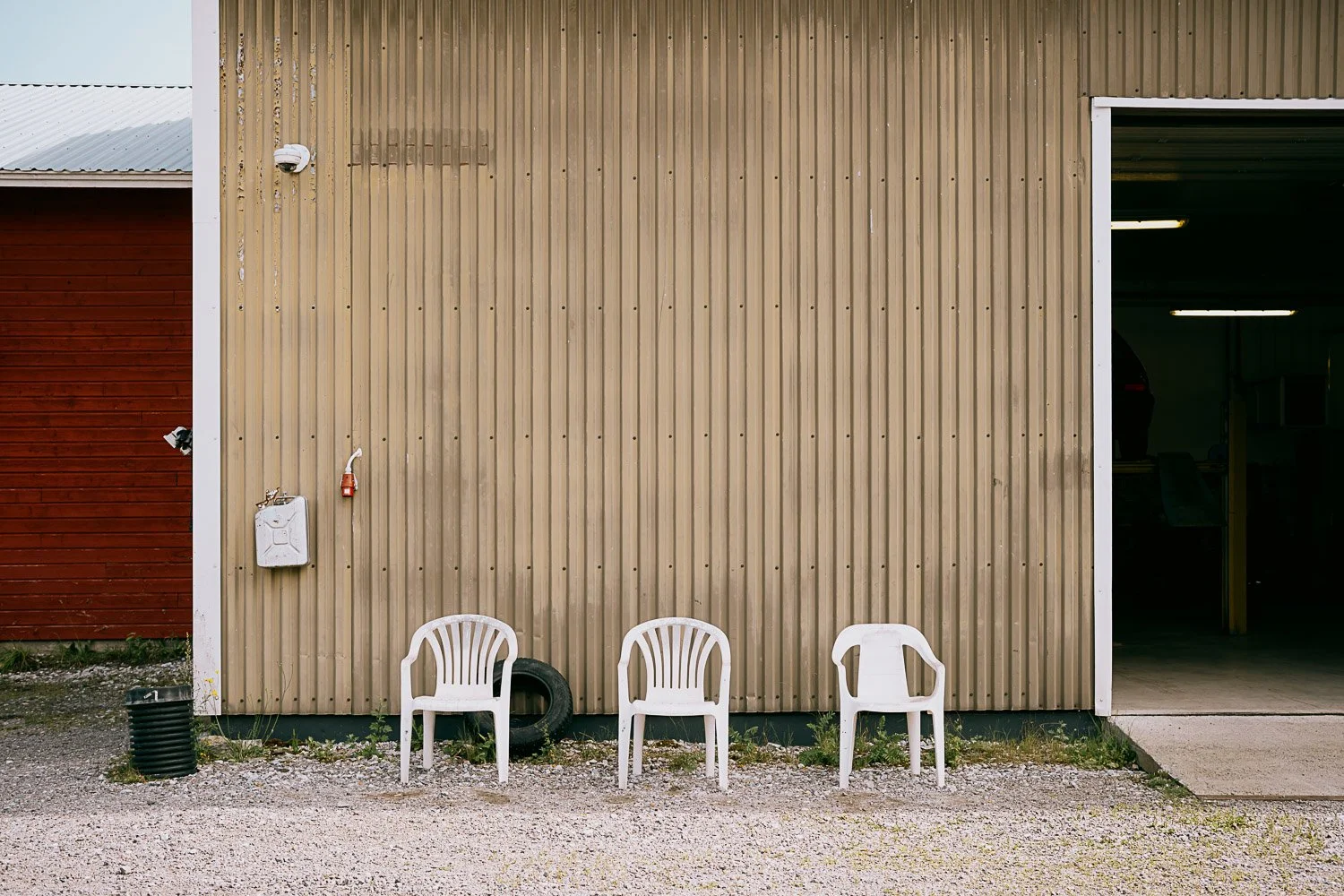
If you stopped taking photographs tomorrow, what are the things you think you'd begin to stop noticing?
Probably all the things that have no practical importance.
The way sunlight falls on a wall, the distance between two objects, strange colour combinations, reflections, shadows, things people leave behind. None of these things really matter in everyday life, which is probably exactly why I want to keep noticing them.
Photography has become a way of reminding myself that looking doesn't always need a purpose.